
 0
 EN
 English
 عربى
 Español
 русский
If you need any help, please feel free to contact us
Home / Author / Cai Shurong — After-Sales Project Coordinator / How Swirl Flowmeters Improve Industrial Measurement of Liquids, Gases, and Steam
How Swirl Flowmeters Improve Industrial Measurement of Liquids, Gases, and Steam
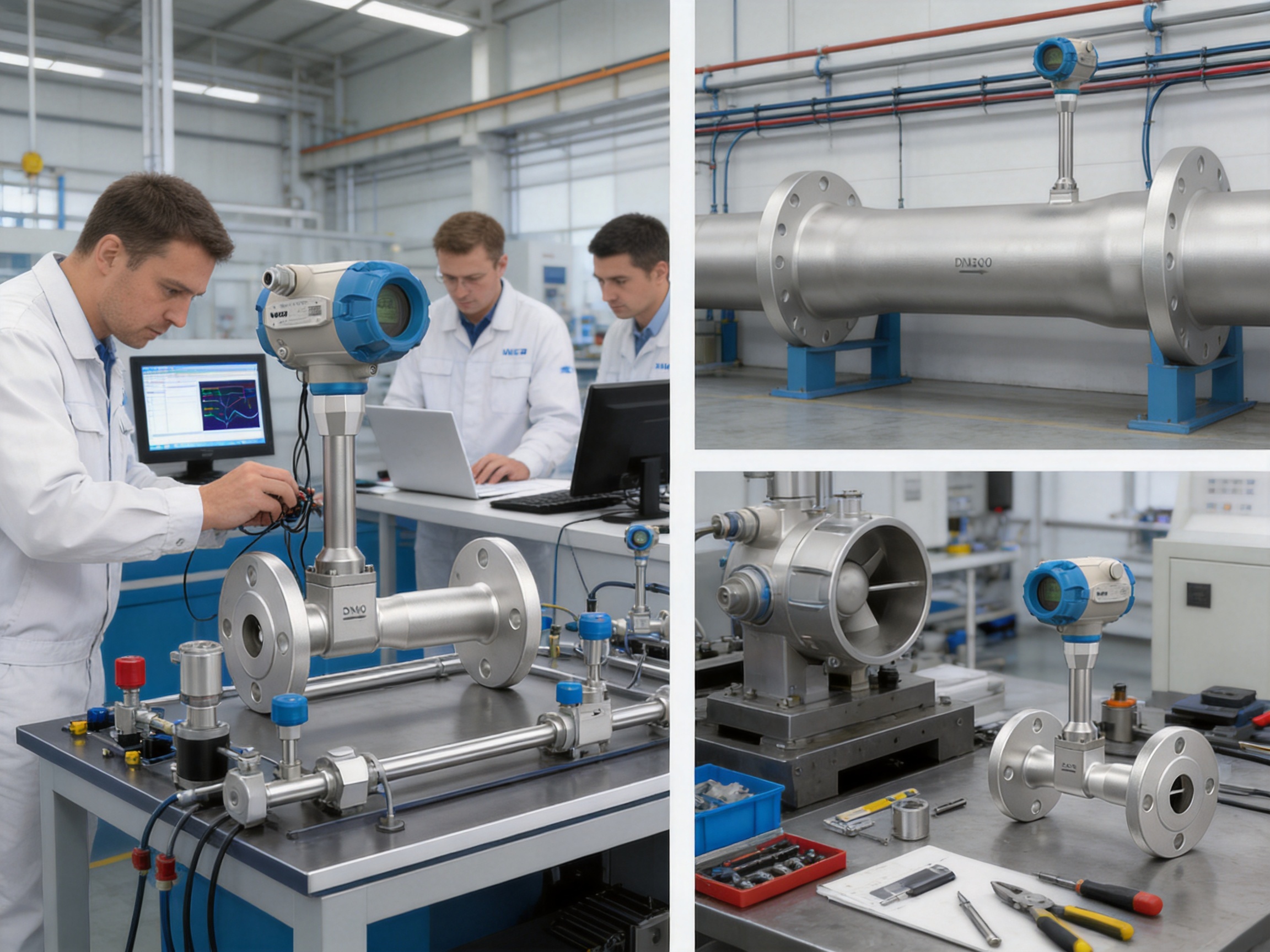
Accurate flow measurement is fundamental to modern process industries. It affects production efficiency, energy consumption, product quality, equipment protection, environmental performance, and operational safety. In applications involving steam, compressed air, natural gas, process gases, cooling water, liquid reactants, and thermal fluids, the flowmeter must provide stable readings while operating under changing pressure, temperature, and flow conditions.
The SA80T Series Swirl Flowmeter is designed for these demanding measurement tasks. It uses the vortex precession principle to determine the volumetric flow rate of liquids, gases, and saturated or superheated steam. By combining a fixed swirl generator, a non-intrusive piezoelectric sensor, integrated signal processing, and optional compensation functions, the instrument provides a practical alternative to conventional vortex, turbine, differential pressure, and other flow measurement technologies.
This article explains the operating principle, construction, performance, applications, selection considerations, and manufacturing strengths associated with the SA80T Series. It also examines how an engineering-focused manufacturer can improve product consistency through calibration, process control, material management, testing, and application support.
1. The Role of Reliable Flow Measurement in Industry
Flow measurement is not simply the indication of how much fluid passes through a pipe. In an industrial installation, the flow signal may be used to control a boiler, balance a chemical reaction, calculate production output, protect a pump, monitor compressed-air consumption, regulate a cooling loop, or verify the performance of an energy system.
Small measurement errors can produce significant financial and operational consequences. An incorrectly measured steam flow may result in poor combustion control or excessive fuel consumption. An unstable gas measurement can disturb the stoichiometric balance of a chemical reactor. Inaccurate liquid dosing may affect the concentration, viscosity, purity, or yield of a finished product. In utilities management, unreliable flow data can conceal leaks and prevent meaningful energy analysis.
For these reasons, industrial users normally evaluate a flowmeter according to several criteria at the same time. Accuracy is important, but it is only one part of the decision. The meter must also withstand the process temperature and pressure, tolerate the characteristics of the medium, fit within available piping space, communicate with the control system, remain stable over long operating periods, and be easy to commission and maintain.
The SA80T Series addresses these requirements through a compact flow-sensing structure without moving parts in the process stream. Its design is intended for clean or slightly contaminated liquids, gases, and steam in process environments where long-term reliability and broad operating flexibility are important.
2. Operating Principle of the SA80T Series
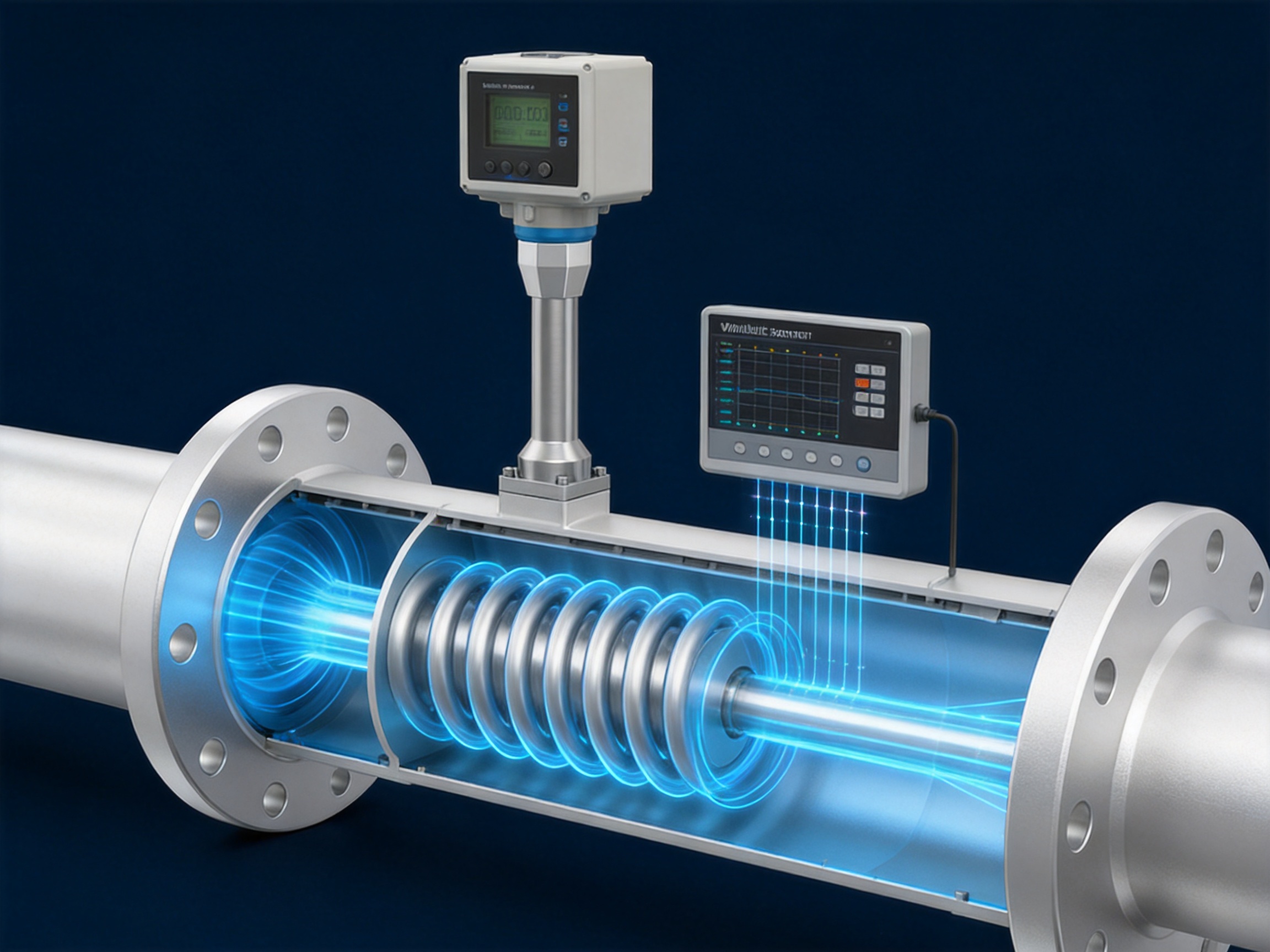
The SA80T Series is a vortex precession flowmeter, also commonly called a swirl flowmeter. Its primary measuring element is a fixed swirl generator installed in the flow passage. As the process medium enters the measuring section, the generator imparts a controlled rotational motion to the fluid.
Downstream of the generator, the rotating flow develops a stable vortex precession. The center of the vortex moves in a controlled precessional pattern, and the frequency of this movement is related to the volumetric flow rate. The higher the flow rate, the higher the precession frequency. The sensor detects this frequency and the transmitter converts it into a usable flow signal.
The SA80T Series uses a piezoelectric sensing element positioned so that it can detect the pressure fluctuations or dynamic forces associated with the precessing vortex. Because the sensor does not need to project moving components into the process stream, the design avoids the mechanical wear associated with many traditional moving-part meters.
The measurement process can be summarized in four stages:
1. The fluid enters the flowmeter body.
2. The fixed swirl generator creates a controlled rotating flow.
3. A stable vortex precession forms downstream of the generator.
4. The piezoelectric sensor detects the precession frequency, and the electronics calculate and transmit the flow rate.
This principle allows one meter family to measure multiple types of media. Depending on the selected configuration and process conditions, the instrument can be used for liquids, gases, saturated steam, and superheated steam.
3. Why the Swirl Measurement Principle Is Valuable
Swirl flow measurement offers a useful balance between mechanical simplicity and electronic functionality. Unlike a turbine meter, the SA80T does not depend on a rotor turning in the process stream. Unlike a differential-pressure meter, it does not require a separate pressure-tap system and a square-root extraction process for basic flow calculation. Unlike some electromagnetic meters, it can measure gases and steam as well as conductive liquids.
The fixed internal structure produces the required rotational flow while the sensing element remains isolated from direct mechanical contact with the medium. This arrangement can reduce wear and help maintain repeatable performance when the meter is used continuously.
Another important advantage is its broad process compatibility. Electromagnetic meters are highly effective for conductive liquids, but they cannot normally measure gases or steam. Turbine meters can provide strong accuracy in suitable clean-liquid applications, but their moving parts may be more sensitive to contamination, lubrication conditions, and excessive mechanical stress. Differential-pressure meters can be applied to many media, but their installation often involves impulse lines, additional transmitters, and more maintenance points.
The SA80T Series is therefore particularly attractive to users who need one measurement platform for different process services or who want to reduce the number of mechanical components exposed to the medium.
| Measurement Technology | Typical Strength | Potential Limitation | Position of Swirl Flow Measurement |
|---|---|---|---|
| Swirl flowmeter | Measures liquids, gases, and steam with no moving parts | Requires suitable flow conditioning and correct sizing | Versatile process instrument for broad industrial service |
| Vortex flowmeter | Strong performance for many gases, liquids, and steam applications | May require longer straight pipe runs depending on installation | Comparable alternative where compact installation is valuable |
| Turbine flowmeter | Good accuracy for clean liquids and gases | Moving rotor may experience wear or contamination | Useful where mechanical simplicity and wide media coverage are needed |
| Electromagnetic flowmeter | Excellent for conductive liquids and slurry applications | Not generally suitable for gases or steam | Complementary technology for conductive liquid systems |
| Differential-pressure meter | Established technology with broad industrial acceptance | Pressure loss, impulse lines, and additional maintenance | Alternative where lower installation complexity is preferred |
| Coriolis meter | Direct mass flow measurement and high accuracy | Higher cost and greater weight in many line sizes | Cost-effective volumetric measurement with optional compensation |
4. Main Performance Advantages
4.1 Stable and Accurate Measurement
Under calibrated conditions and with correct installation, the SA80T Series can provide typical accuracy of approximately ±0.5 percent for liquids and ±1.0 percent for gases and steam. Actual performance depends on the selected size, fluid properties, Reynolds number, pressure and temperature conditions, installation quality, calibration method, and operating range.
This level of performance is suitable for many process control, utility monitoring, equipment management, and production accounting applications. For critical custody-transfer or highly regulated services, the complete measurement system should be evaluated according to the applicable standards and project specifications.
Stable frequency-based measurement also helps the instrument deliver repeatable readings under changing operating conditions. When the process moves between low and high demand, the electronics can continue to track the changing precession frequency, provided the flow remains within the specified range.
4.2 Wide Turndown Capability
The SA80T Series can provide a turndown ratio of up to approximately 1:20 depending on the medium, pipe size, pressure, temperature, and installation conditions. A wide turndown ratio is valuable in systems where the process load changes substantially during a production cycle.
For example, a steam header may experience low demand during standby and high demand during production. A compressed-air network may change flow according to the number of operating machines. A cooling-water system may operate at different rates according to product output or ambient conditions. A meter with a broad usable range can reduce the need to select a compromise size that performs well at only one operating point.
Correct sizing remains essential. A wide nominal turndown specification does not mean that every installation will achieve the same range. The sizing process should consider minimum, normal, and maximum flow, as well as fluid density, viscosity, pressure, temperature, and potential transient conditions.
4.3 No Moving Parts in the Measuring Structure
One of the strongest advantages of the SA80T Series is its lack of moving mechanical components in the flow path. A fixed swirl generator produces the rotating flow, while the piezoelectric sensor detects the resulting frequency.
This design can reduce maintenance associated with rotor bearings, shafts, gears, and other moving parts. It also helps eliminate concerns about rotor imbalance, mechanical friction, and lubrication. In continuous industrial service, fewer moving parts generally mean fewer wear mechanisms and a lower risk of performance degradation caused by normal mechanical aging.
The absence of moving parts does not make the instrument immune to all process problems. Severe vibration, inappropriate installation, solids accumulation, water hammer, excessive pressure pulsation, or operation outside the specified range may still affect performance. Nevertheless, the simplified mechanical design provides a strong foundation for long service life.
4.4 Integrated Signal Processing
The transmitter processes the sensor signal and converts the precession frequency into a flow value. Depending on the selected configuration, the output may include 4–20 mA analog communication, pulse output, HART communication, or Modbus RTU.
These communication options allow the flowmeter to connect with distributed control systems, programmable logic controllers, energy management systems, supervisory software, and local monitoring equipment. Pulse outputs can be used for totalization, while analog outputs are widely used for continuous control. Digital communication can provide configuration access, diagnostic information, and additional process variables.
Optional temperature and pressure compensation can support mass-flow or standard-volume calculations. This is particularly useful for gases and steam because their density changes significantly with pressure and temperature. Instead of relying solely on actual volumetric flow, the control system can use compensated values that are more meaningful for energy accounting, process balancing, and production reporting.
4.5 Diagnostic and Configuration Functions
Modern industrial measurement requires more than a process value. Maintenance personnel also need to know whether the instrument is operating correctly, whether the signal is stable, and whether the measurement is approaching a fault condition.
The SA80T Series supports functions such as fault detection, zero-drift monitoring, and remote configuration through digital protocols. These functions can reduce commissioning time and assist maintenance teams in identifying problems before they become major process interruptions.
Diagnostic information may help users distinguish between an actual process change and an instrumentation problem. For example, a sudden change in indicated flow could result from a real change in valve position, a pressure disturbance, excessive vibration, wiring problems, or an abnormal sensor signal. A properly configured diagnostic system can make this investigation more efficient.
4.6 High Temperature and Pressure Resistance
Standard designs can support process temperatures up to approximately 250 degrees Celsius and pressures up to approximately 4.0 MPa, with extended versions available for higher-temperature steam service up to approximately 400 degrees Celsius. The final operating limit must always be confirmed for the specific body material, connection type, electronics configuration, gasket arrangement, and project requirements.
High-temperature capability allows the meter to be used in boiler steam systems, thermal-fluid circuits, process heating, sterilization utilities, and other high-energy applications. Pressure resistance is similarly important in natural-gas systems, process-gas headers, high-pressure utility lines, and industrial water networks.
Users should consider not only the normal operating condition but also start-up, shutdown, pressure surges, thermal cycling, and potential abnormal events. Proper installation, isolation, pressure testing, and commissioning procedures remain essential even when the meter has a robust pressure and temperature rating.
4.7 Reduced Straight-Pipe Requirements
Space is often limited in industrial plants. Existing pipework may include valves, elbows, reducers, strainers, pumps, or branches near the proposed meter location. Conventional flowmeters can require long upstream and downstream straight-pipe sections to stabilize the flow profile.
The SA80T Series is designed to require comparatively short straight runs, typically around 3D upstream and 1D downstream under suitable conditions. The exact requirement depends on the piping arrangement, disturbance type, meter size, and project specifications. The reduced requirement can simplify retrofit work and lower the cost of pipe modification.
Although the straight-run requirement may be shorter than that of many conventional vortex installations, the meter should not be installed without evaluating the local piping geometry. Severe swirl from pumps, two-plane elbows, partially open valves, or abrupt reducers may still affect the measurement. A site survey and installation drawing review are recommended before final selection.
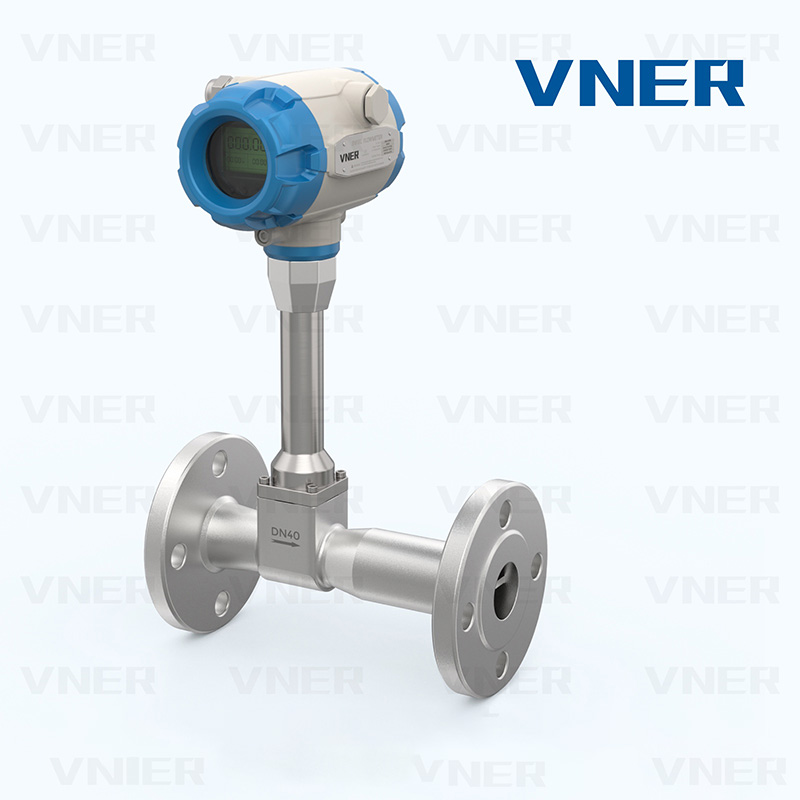
SA80T Series Swirl Flowmeter-副本
5. Industrial Applications
5.1 Power Generation and Steam Systems
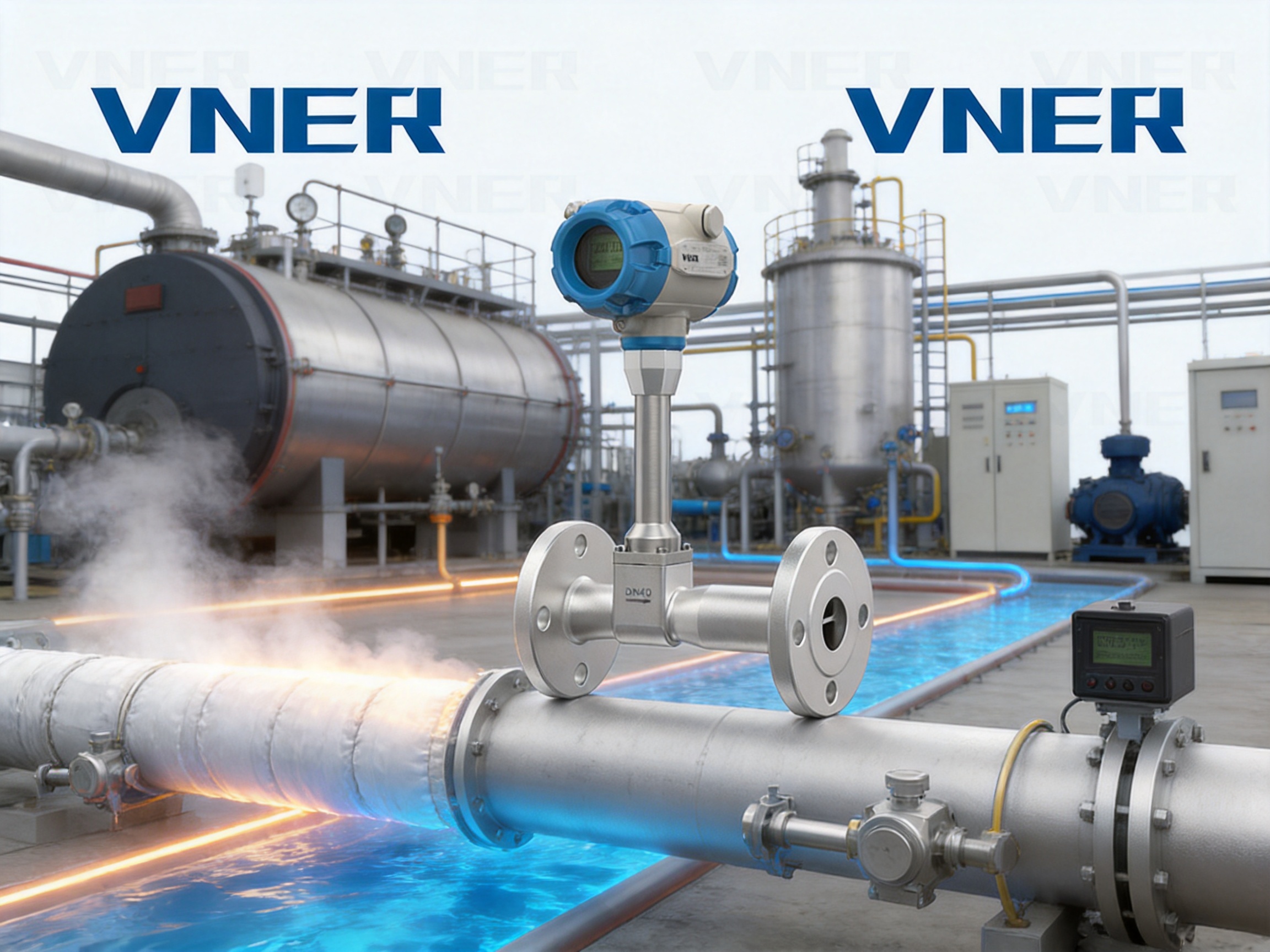
Steam measurement is one of the most important applications for the SA80T Series. Power plants, industrial boilers, combined heat and power facilities, and manufacturing sites depend on accurate steam data for combustion management, energy allocation, equipment performance analysis, and production planning.
The meter can be applied to saturated steam and superheated steam within its specified temperature and pressure limits. It can monitor boiler outlet flow, process steam distribution, turbine auxiliary systems, and steam consumption by individual production areas.
In boiler optimization, continuous flow information can be combined with fuel flow, oxygen concentration, pressure, and temperature data. This allows operators to evaluate combustion efficiency, identify abnormal demand, and adjust operating conditions. A reliable steam signal can also support energy-saving projects by comparing steam production with useful process output.
Cooling-water circulation is another important power-generation application. Flow measurement through turbine condensers, heat exchangers, and auxiliary cooling circuits can help operators identify blocked strainers, pump degradation, valve problems, or insufficient heat-removal capacity.
5.2 Chemical and Petrochemical Processing
Chemical plants use gases, liquids, vapor, and steam in nearly every stage of production. The SA80T Series can be used for compressed air, nitrogen, natural gas, process vapor, and selected liquid services.
Accurate gas measurement is important in chemical reactors where hydrogen, oxygen, nitrogen, or other gases must be introduced at controlled rates. Maintaining the intended gas ratio supports reaction yield, improves product consistency, and reduces the risk of unsafe compositions.
Liquid reactants may also need to be dosed under changing temperature and pressure conditions. Where the process fluid is compatible with the meter and remains within the specified flow range, the SA80T can provide a stable measurement signal for process control and batch management.
Petrochemical facilities may use the flowmeter for fuel gas, utility gas, steam injection, process vapor, and thermal-fluid services. For combustible gases, the complete installation must be evaluated for hazardous-area classification, enclosure protection, grounding, cable entry, and applicable certification requirements.
5.3 Oil and Gas Operations
In oil and gas facilities, steam injection is used in enhanced oil recovery and other thermal processes. Measuring injection flow helps operators manage reservoir treatment, compare injection performance between wells, and identify changes in distribution or equipment condition.
Fuel-gas measurement for furnaces, heaters, and boilers is another common requirement. Accurate fuel data supports combustion control and enables operators to compare energy use with production output. It can also help identify inefficient burners or abnormal consumption.
Because oil and gas installations frequently operate under demanding pressure, temperature, and safety conditions, the selected SA80T configuration must be matched to the process fluid and area classification. Materials, seals, electrical connections, communication functions, and calibration documentation should be defined before purchase.
5.4 Pharmaceutical Manufacturing
Pharmaceutical plants place strong emphasis on hygiene, validation, traceability, and process repeatability. The SA80T Series may be considered for clean-steam utilities, sterilization systems, and selected purified-water or water-for-injection utility applications when the process connection, wetted materials, surface finish, and sanitation requirements are suitable.
Clean steam used in sterilization and steam-in-place systems must be delivered in a controlled and repeatable manner. Flow information can help confirm that the required utility conditions are achieved during a sterilization cycle. For purified-water systems, the complete meter construction should be reviewed for hygienic design, drainage, cleanability, and compatibility with the validation program.
Pharmaceutical users should not select an industrial meter solely on the basis of its flow range. Documentation, material certificates, calibration records, surface requirements, cleaning procedures, and regulatory expectations may be equally important.
5.5 Food and Beverage Production
Food and beverage plants use water, steam, carbon dioxide, cleaning solutions, thermal fluids, and process liquids. The SA80T Series can support carbon-dioxide dosing, clean utility monitoring, CIP and SIP services, and thermal-media control when the instrument is properly specified.
Carbon-dioxide flow measurement is important in beverage carbonation and packaging operations. Stable measurement can support consistent product characteristics and reduce unnecessary gas consumption. CIP and SIP systems also benefit from reliable flow data because cleaning performance depends on flow velocity, temperature, concentration, and exposure time.
Where the flowmeter is installed in a product-contact or hygienic area, users should verify all wetted materials, connection standards, cleaning compatibility, and required certificates. In many cases, the meter is more appropriately installed on a utility line rather than directly in the final product stream.
5.6 Pulp and Paper
Pulp and paper mills contain a combination of water, steam, chemicals, black liquor, white liquor, and process gases. The SA80T Series can be considered for utility steam, process water, and selected liquor services when the medium properties and solids content are compatible with the measuring structure.
Flow information is especially valuable around recovery boilers, chemical-recovery systems, washing stages, drying sections, and steam distribution networks. Accurate measurement can help balance chemical usage, control energy consumption, and identify changes in production load.
For black liquor, white liquor, or other fluids containing solids or fibers, the selection process should consider viscosity, suspended matter, deposits, corrosion, and cleaning requirements. In some services, an electromagnetic or specialized slurry meter may be more suitable. The best instrument depends on the actual fluid and operating conditions rather than the industry name alone.
5.7 Textile, Dyeing, Steel, and Metallurgy
Textile and dyeing facilities require controlled water, dye-liquor, steam, and thermal-fluid flows. Flow measurement can support recipe control, temperature management, washing operations, and process repeatability, particularly where the flow rate changes during different production stages.
Steel and metallurgical plants use large quantities of cooling water, shielding gas, compressed air, nitrogen, argon, and process gases. Cooling-water measurement around continuous casting and rolling equipment helps protect machinery and maintain thermal stability. Gas flow measurement can support furnace operation, inerting, purging, and atmosphere control.
These environments may contain vibration, high ambient temperatures, electromagnetic interference, dust, and rapid load changes. Installation quality, enclosure selection, cable routing, grounding, and mechanical support should therefore be treated as part of the measurement system.
6. Application Benefits in Advanced Process Systems
6.1 Gas Flow Control in Chemical Reactors
In batch and continuous reactors, gas flow often affects reaction rate, conversion, selectivity, and safety. Hydrogen, oxygen, nitrogen, air, and other gases may need to be delivered at a controlled rate or ratio.
A stable flow signal from the SA80T Series can be connected to a control loop that adjusts a valve or mass-flow management system. When combined with pressure and temperature compensation, the system can provide a more consistent standard-volume reference. This supports stoichiometric balance and makes it easier to compare batches or production campaigns.
Operators should consider gas composition, operating pressure, minimum flow, maximum flow, pulsation, and possible condensation. The meter should be installed in a location that avoids liquid accumulation and protects the electronics from excessive temperature.
6.2 Thermal Management Systems
Advanced thermal-management systems use glycol-water mixtures, heat-transfer oils, treated water, and other fluids to remove or deliver heat. Semiconductor manufacturing, high-speed machining, battery production, and electronic cooling systems may all require controlled fluid circulation.
The SA80T Series can help monitor flow through cooling loops, heat exchangers, and thermal-fluid circuits when the fluid properties are compatible. A stable signal can help prevent thermal runaway, identify pump degradation, and maintain uniform operating temperatures.
For high-viscosity thermal oils or fluids with unusual temperature-dependent properties, the user should provide detailed process data during sizing. Viscosity can influence the measurement range and pressure loss, particularly at start-up when the fluid is cold.
6.3 Boiler Efficiency Optimization
Boiler efficiency programs depend on reliable measurements of fuel, air, feedwater, steam, blowdown, and condensate. The SA80T Series can provide steam flow information for boiler output, distribution, and end-use analysis.
When steam flow is monitored continuously, operators can compare output with fuel consumption and identify changes in efficiency. The data can also support combustion control, load scheduling, maintenance planning, and energy-cost allocation between production departments.
For superheated steam, temperature and pressure compensation may be required for meaningful mass-flow or energy calculations. The compensation method should be reviewed with the control-system designer to ensure that the selected inputs, algorithms, and alarm limits are appropriate.
7. Manufacturing Strengths Behind Product Reliability
A flowmeter’s published specifications are only meaningful when supported by consistent manufacturing and verification processes. Product reliability depends on the quality of the body, sensing element, electronic assembly, software, calibration, sealing, wiring, and final inspection.
Jiangsu VNER Electronic Technology Co., Ltd. is an industrial flowmeter manufacturer based in Yangzhou, China. Since 2011, the company has developed and manufactured electromagnetic, Coriolis, vortex, swirl, turbine, thermal-mass, ultrasonic, and metal-tube rotameter products for liquid, gas, steam, and slurry applications.
The company operates approximately 23,000 square meters of production facilities across three plants and has a technical team of more than 150 people. Its products have been used in more than 2,000 engineering projects across over 30 countries. This project experience provides exposure to different media, environmental conditions, communication requirements, process standards, and installation challenges.
7.1 Multi-Technology Engineering Capability
One manufacturing strength is the ability to work across several flow measurement technologies. A user may need an electromagnetic meter for conductive water, a Coriolis meter for direct mass flow, a thermal mass meter for compressed air, an ultrasonic meter for non-invasive measurement, and a swirl meter for steam or mixed utility services.
A manufacturer with knowledge of multiple technologies can help users select the most appropriate instrument for each service rather than forcing every application into a single product category. This is especially valuable for engineering contractors and plants that require coordinated measurement solutions across a complete facility.
The product portfolio includes swirl, vortex, Coriolis, turbine, electromagnetic, thermal mass, ultrasonic, and metal-tube rotameter solutions. This broader capability supports system-level engineering, replacement projects, OEM supply, and standardized instrumentation programs.
7.2 In-House Calibration
Calibration is a critical part of flowmeter production. A well-designed instrument can still deliver poor results if the calibration process is inadequate or if calibration data is not traceable to the final device.
In-house calibration allows the manufacturer to verify meter performance, identify deviations, adjust transmitter parameters, and record the results before shipment. It can also support customized calibration points based on a project’s expected operating range.
For customers, calibration documentation provides evidence that the meter has been tested and configured. It can support commissioning, quality audits, maintenance planning, and future performance comparisons. Where a project requires special calibration fluids, flow ranges, or documentation formats, these requirements should be discussed before production.
7.3 Engineering-Driven Sizing and Selection
Flowmeter sizing is not simply a matter of matching the pipe diameter. A technically sound selection considers the medium, minimum and maximum flow, operating pressure, operating temperature, density, viscosity, vapor pressure, solids content, pressure loss, connection type, and required output signals.
Engineering-driven selection helps prevent common problems such as excessive velocity, insufficient signal strength at low flow, condensation in gas lines, unsuitable material selection, or operation outside the calibrated range.
The manufacturer’s technical team can support users by reviewing process data and recommending a suitable meter size and configuration. This is particularly important for gases and steam, where density changes significantly with pressure and temperature.
7.4 Automated and Controlled Manufacturing
Increasingly automated manufacturing can improve repeatability in assembly, inspection, and testing. Controlled production procedures help reduce variation between units and make it easier to trace materials, components, configuration records, and inspection results.
Automation does not replace engineering judgment. Instead, it provides a consistent foundation for processes such as machining, electronic assembly, welding, sealing, parameter configuration, and final inspection. The most reliable approach combines controlled equipment with experienced technical personnel and documented quality procedures.
7.5 Traceability and Quality Processes
Traceability is important for industrial instrumentation because flowmeters may remain in service for many years. Users may later need to identify the original configuration, materials, calibration results, firmware version, or production batch.
Quality processes that preserve this information help support warranty evaluation, maintenance, replacement, and future upgrades. For large projects, traceability can also simplify document control and equipment turnover.
VNER emphasizes product consistency, repeatability, traceability, and long-term reliability. These priorities are particularly relevant for EPC contractors and end users that manage large numbers of instruments across multiple plants or production lines.
8. Installation Considerations
Correct installation is essential for obtaining the expected performance from any flowmeter. Before installation, the user should confirm the flow direction, pipe size, process connection, pressure rating, temperature rating, gasket arrangement, electrical classification, and available straight-run length.
The meter should normally be installed in a completely filled pipe for liquid measurement. Locations where air pockets, flashing, or intermittent filling may occur should be avoided. For gas and steam, the piping should be designed to prevent unwanted liquid accumulation and should include appropriate drainage or separation arrangements where necessary.
Upstream disturbances such as elbows, valves, reducers, pumps, and branches can influence the flow profile. Although the SA80T Series may require shorter straight runs than many conventional vortex installations, the recommended distances should still be followed. If the installation has unusual geometry, the manufacturer should review a piping sketch before the meter is ordered.
Pipe alignment is also important. Excessive misalignment can create turbulence, stress the meter body, or damage gaskets. The meter should not be used as a support for unsupported pipework. Pipe supports should be installed independently so that thermal expansion and mechanical loads do not transfer excessive force to the instrument.
For high-temperature service, the electronics and display should be protected from temperatures above their specified limits. If the instrument has a remote transmitter option, the sensing body and electronic unit can be positioned to suit the process and environmental conditions.
8.1 Electrical and Communication Installation
Electrical wiring should follow the product manual, project drawings, and applicable local standards. Signal cables should be routed separately from high-voltage power cables and sources of strong electromagnetic interference whenever possible.
Grounding and shielding should be evaluated as part of the complete control system. Poor grounding, inadequate cable shielding, moisture ingress, or incorrect termination can cause unstable signals even when the flowmeter itself is functioning correctly.
For HART or Modbus RTU communication, the network topology, cable type, termination, addressing, baud rate, parity, and control-system settings should be checked during commissioning. A written configuration record can simplify future maintenance.
8.2 Steam Installation
Steam applications require careful attention to condensation, thermal expansion, pressure reduction, and water hammer. The pipe should be designed and operated so that condensate does not accumulate around the meter or create intermittent two-phase flow unless the meter has been specifically selected for that condition.
For saturated steam, pressure and temperature conditions should be evaluated together because the fluid state depends on the relationship between them. For superheated steam, the degree of superheat and the expected operating range should be provided during sizing.
Insulation may be required to maintain process temperature and protect personnel, but the transmitter housing and display should not be overheated. The insulation arrangement should follow the manufacturer’s limits and leave required access for inspection and maintenance.
9. Selection Guide for Project Engineers
A reliable selection begins with complete and accurate process information. The following data should normally be prepared before requesting a quotation:
• Medium name and composition.
• Minimum, normal, and maximum flow rate.
• Operating pressure and design pressure.
• Operating temperature and design temperature.
• Line size and pipe material.
• Fluid density, viscosity, conductivity, and solids content where relevant.
• Required accuracy and turndown.
• Process connection and pressure class.
• Required output, communication protocol, and power supply.
• Hazardous-area or environmental requirements.
• Preferred display, enclosure, and remote or integral transmitter arrangement.
For gas and steam services, standard or actual volumetric flow requirements should be clearly defined. If the control system requires mass flow or standard volume, the pressure and temperature compensation method must be included in the instrument specification.
| Selection Item | Why It Matters | Recommended Review |
|---|---|---|
| Flow range | Determines signal quality, turndown, and meter size | Provide minimum, normal, and maximum values |
| Pressure | Affects density, mechanical rating, and compensated flow | State normal, maximum, and design pressure |
| Temperature | Affects density, material compatibility, and electronics protection | Include start-up and abnormal temperatures |
| Medium condition | Solids, moisture, viscosity, and contamination influence performance | Describe cleanliness, phase, and possible deposits |
| Pipe configuration | Upstream disturbances affect flow stability | Submit a piping sketch with nearby fittings |
| Output signal | Determines compatibility with the control system | Select analog, pulse, HART, Modbus, or a combination |
| Area classification | Controls enclosure, wiring, and certification requirements | Confirm hazardous-area and environmental conditions |
| Calibration | Supports accuracy verification and project documentation | Specify calibration range and certificate requirements |
10. Comparison with Conventional Alternatives
Every flowmeter technology has a suitable operating window. The value of the SA80T Series is not that it replaces every other instrument, but that it offers a strong combination of media flexibility, mechanical simplicity, signal capability, and installation convenience.
Compared with turbine meters, the SA80T Series avoids a rotating rotor in the flow path. This can reduce wear and sensitivity to mechanical contamination. Turbine meters may still be preferable for certain clean fluids and applications requiring their specific performance characteristics.
Compared with electromagnetic meters, the SA80T Series can measure gases and steam as well as liquids. Electromagnetic technology remains an excellent choice for conductive liquids, corrosive liquids, and many slurry applications, particularly where the pipe is full and conductivity is sufficient.
Compared with differential-pressure measurement, the SA80T Series can reduce the number of external components required for basic flow measurement. Differential-pressure systems may involve primary elements, impulse lines, valves, manifolds, and separate transmitters. These components can increase installation and maintenance requirements, especially in cold, hot, or dirty services.
Compared with Coriolis meters, a swirl flowmeter usually offers a lighter and more economical solution for volumetric flow measurement in larger line sizes. Coriolis technology remains highly valuable when direct mass flow, density measurement, or very high accuracy is required and the project budget and mechanical installation can accommodate it.
Compared with conventional vortex meters, the SA80T Series may offer installation advantages where shorter straight pipe lengths are beneficial. The final choice should consider the actual piping arrangement, required range, fluid properties, vibration conditions, and project standards.
11. Maintenance and Long-Term Operation
The lack of moving parts reduces mechanical maintenance, but periodic verification is still recommended. Maintenance personnel should inspect the meter body, process connections, cable glands, grounding, display, signal output, and mounting condition at intervals appropriate to the process.
For steam and gas applications, operators should look for signs of condensation, corrosion, vibration, leakage, or unexpected pressure loss. For liquid applications, deposits or contamination should be evaluated if the process fluid can accumulate material in the flow passage.
Digital diagnostics can assist with fault identification. If the indicated value becomes unstable, the investigation should include the process itself, the piping arrangement, power supply, wiring, grounding, communication settings, and possible external vibration. A troubleshooting procedure should distinguish between a genuine flow fluctuation and an instrumentation issue.
Calibration intervals depend on application criticality, regulatory requirements, process stability, historical performance, and the consequences of measurement error. Critical energy, custody, safety, or quality applications may require more frequent verification than general utility monitoring.
Keeping a record of meter configuration, calibration results, maintenance actions, and process changes can improve long-term reliability. When a meter is replaced, the record helps ensure that the new device is selected and configured consistently with the original application.
12. Value for EPC Contractors, OEMs, and End Users
EPC contractors require instruments that can be specified, documented, delivered, and supported within a controlled project schedule. A manufacturer with multiple flow technologies, in-house calibration, technical selection support, and international project experience can simplify procurement and engineering coordination.
OEMs may require customized output arrangements, connection dimensions, display configurations, communication protocols, or branding and documentation packages. A flexible manufacturing system can support these needs while maintaining product traceability and quality control.
End users generally focus on reliable operation, low maintenance, ease of integration, and lifecycle cost. The SA80T Series can contribute to these goals through its non-moving measurement structure, wide application range, optional compensation, digital communication, and diagnostic functions.
For all three customer groups, the most important factor is application fit. A technically advanced instrument will not perform well if it is incorrectly sized, installed in a partially filled pipe, exposed to unsuitable temperature, or used with an incompatible medium. Engineering review and accurate process information are therefore central to a successful project.
13. Frequently Asked Questions
What does a swirl flowmeter measure?
A swirl flowmeter measures the volumetric flow rate of liquids, gases, saturated steam, and superheated steam. With suitable pressure and temperature compensation, it can also provide mass-flow or standard-volume calculations for applicable gas and steam services.
How does the SA80T detect flow?
A fixed swirl generator creates a rotating flow and a stable vortex precession downstream. A non-intrusive piezoelectric sensor detects the precession frequency. The frequency is proportional to the volumetric flow rate and is processed by the transmitter.
Does the meter have moving parts?
The measuring structure has no moving mechanical parts such as a rotor or turbine wheel. This reduces mechanical wear and can lower maintenance requirements during continuous operation.
Can it measure steam?
Yes. The SA80T Series is designed for saturated and superheated steam within the applicable pressure and temperature limits. The selected configuration should be checked against the actual steam conditions, including start-up and maximum temperature.
Can it measure gases?
Yes. It can be used for gases such as compressed air, nitrogen, natural gas, and selected process gases. Gas density changes with pressure and temperature, so compensation may be required when standard-volume or mass-flow information is needed.
What accuracy can be expected?
Typical calibrated accuracy is approximately ±0.5 percent for liquids and ±1.0 percent for gases and steam. Actual performance depends on the model, flow range, fluid properties, installation, calibration, and operating conditions.
What is the typical turndown ratio?
The turndown ratio can reach approximately 1:20 depending on the medium, meter size, flow conditions, and installation. The actual usable range should be confirmed through engineering sizing.
What outputs are available?
Depending on the selected configuration, outputs may include 4–20 mA analog, pulse, HART, and Modbus RTU communication. The required output should be specified according to the control-system architecture.
Does it require pressure and temperature compensation?
Compensation is not always necessary for basic actual volumetric flow measurement. It is often recommended for gas and steam applications where users require standard-volume flow, mass flow, energy calculations, or improved comparability across changing process conditions.
How much straight pipe is required?
Typical installation guidance may be approximately 3D upstream and 1D downstream under suitable conditions. The exact requirement depends on the piping disturbances and project specifications. Nearby elbows, valves, pumps, reducers, and branches should be reviewed before installation.
Is it suitable for dirty liquids?
The SA80T Series is intended for clean or slightly contaminated media. Heavy solids, fibrous material, sticky deposits, severe viscosity changes, or multiphase flow may require another technology. The medium description should be provided during selection.
Can it be used in hazardous areas?
Potentially, depending on the selected model, certification, enclosure, electrical design, and project requirements. Hazardous-area classification must be confirmed before purchase and installation.
What information is needed for sizing?
Users should provide the medium, minimum and maximum flow, pressure, temperature, pipe size, density, viscosity, solids content, connection type, output requirements, and environmental or hazardous-area conditions.
How does the manufacturer support product quality?
Quality support includes engineering-based selection, in-house calibration, controlled manufacturing, product traceability, technical personnel, and experience with industrial projects in multiple countries and process sectors.
Is the SA80T a replacement for every other flowmeter?
No. Flowmeter selection should be based on the complete application. The SA80T is a versatile option for many liquid, gas, and steam services, while electromagnetic, Coriolis, turbine, thermal-mass, ultrasonic, or other technologies may be more suitable for specific media or measurement objectives.
14. Conclusion
The SA80T Series Swirl Flowmeter provides a practical solution for industrial flow measurement across liquids, gases, saturated steam, and superheated steam. Its vortex precession principle, fixed swirl generator, piezoelectric sensing, and integrated electronics create a measurement system with no moving parts in the process stream.
Its main advantages include typical accuracy of approximately ±0.5 percent for liquids and ±1.0 percent for gases and steam, a turndown ratio of up to approximately 1:20 under suitable conditions, optional pressure and temperature compensation, multiple industrial communication outputs, diagnostic functions, high-temperature capability, and comparatively compact installation requirements.
The meter can support power generation, chemical processing, petrochemical operations, oil and gas, pharmaceutical utilities, food and beverage production, pulp and paper, textile manufacturing, steel, metallurgy, thermal management, chemical reactors, and boiler-efficiency programs.
Product performance is strengthened when it is supported by sound engineering and controlled manufacturing. Jiangsu VNER Electronic Technology Co., Ltd. combines a broad flowmeter portfolio with in-house calibration, application-oriented sizing, quality processes, traceability, technical personnel, and experience from industrial projects in more than 30 countries.
For users selecting a flowmeter, the best result comes from treating the instrument, piping, process conditions, electronics, calibration, and maintenance plan as one complete measurement system. When correctly sized and installed, the SA80T Series can provide stable flow information that supports process control, energy management, equipment protection, and long-term operational reliability.
References
1. International Society of Automation, process measurement and control engineering principles.
2. American Society of Mechanical Engineers, guidance on flow measurement and fluid-metering practices.
3. International Organization for Standardization, standards and technical guidance for industrial flow measurement.
4. Industrial steam-system engineering manuals covering saturated steam, superheated steam, pressure compensation, and condensate management.
5. Industrial instrumentation handbooks covering vortex, swirl, turbine, electromagnetic, Coriolis, thermal-mass, and ultrasonic flow measurement.
6. Manufacturer product information and technical documentation for the SA80T Series Swirl Flowmeter.
7. Engineering practices for flowmeter sizing, installation, calibration, signal integration, and maintenance in process industries.
Product: SA80T Series Swirl Flowmeter-副本



Products
Contact Information
-

+86 18652789521
+86-0514-83633600 / 83633900 -

+86-0514-83633600 / 83633900
-

s@vner.com.cn
katherine@vner.com.cn -

No. 11 Xingye Road, Chenji Town Industrial Park, Yizheng, Yangzhou, China
