
 0
0
 EN
EN  English
 عربى
عربى Español
 русский
If you need any help, please feel free to contact us
Home / Author / Cai Shurong — After-Sales Project Coordinator / SA80T Series Swirl Flowmeter: Precision Flow Measurement for Liquids, Gases, and Steam
SA80T Series Swirl Flowmeter: Precision Flow Measurement for Liquids, Gases, and Steam
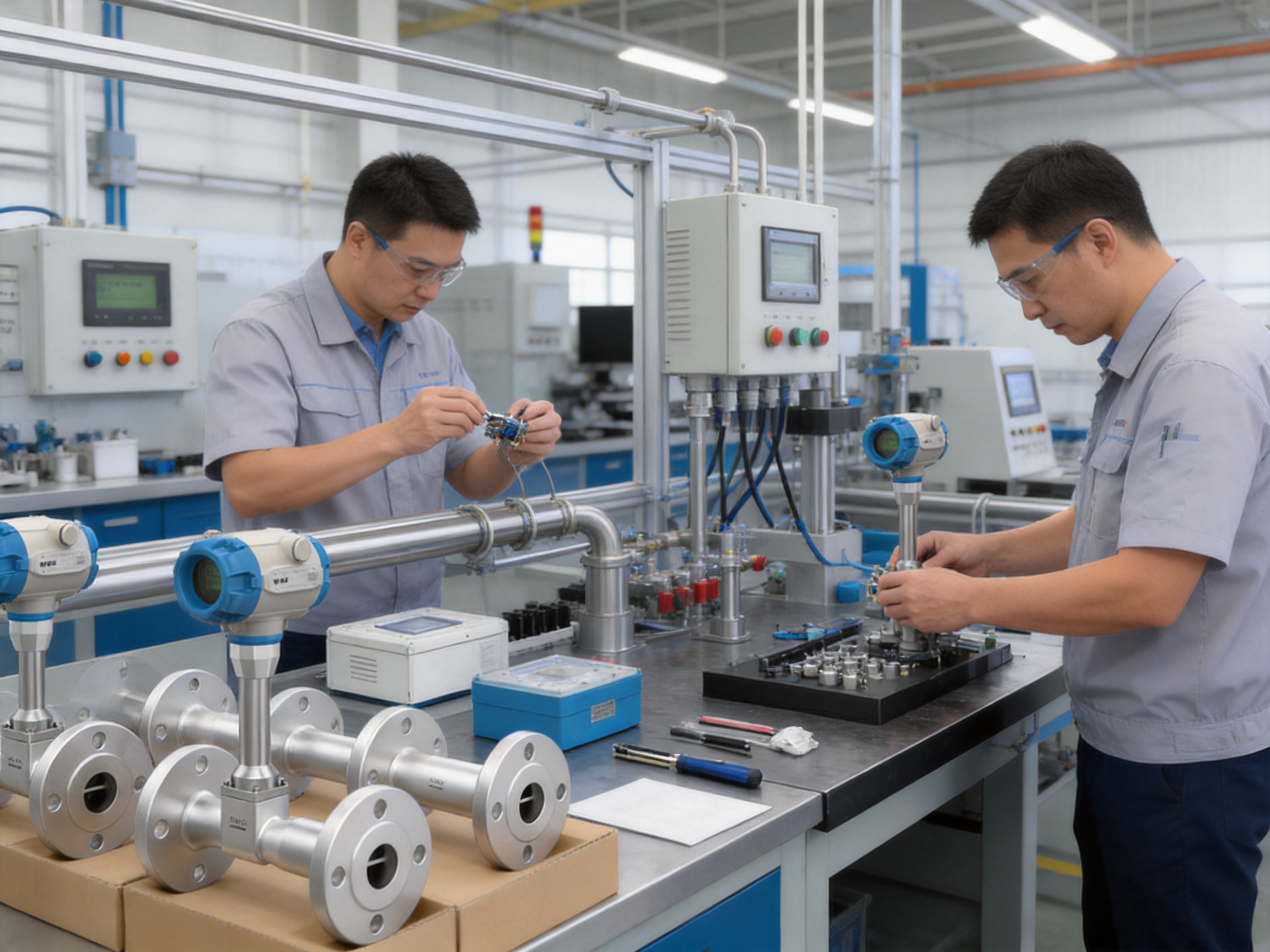
Reliable flow measurement is essential to modern industrial production. Whether a plant is controlling boiler efficiency, regulating chemical dosing, monitoring compressed air, measuring cooling water, or managing process gases, the flowmeter must provide stable readings under changing pressure, temperature, and flow conditions. In many applications, the instrument must also withstand high temperatures, elevated pressure, vibration, contamination, and continuous operation.
The SA80T Series Swirl Flowmeter is designed for these demanding requirements. It is a vortex precession flowmeter that measures the volumetric flow of liquids, gases, saturated steam, and superheated steam. By combining a fixed swirl generator, non-intrusive piezoelectric sensing, integrated signal processing, and optional temperature and pressure compensation, the SA80T provides a practical alternative to conventional vortex, turbine, differential-pressure, and mechanical flow measurement technologies.
The instrument is suitable for process plants, utility systems, energy facilities, chemical production lines, oil and gas installations, pharmaceutical utilities, food and beverage operations, pulp and paper mills, textile plants, steel production, and many other industrial environments. Its design emphasizes accuracy, low maintenance, broad application coverage, and dependable operation over a wide flow range.
Understanding the SA80T Swirl Flow Measurement Principle
The SA80T operates according to the vortex precession principle. As the process medium enters the meter, it passes through a specially designed fixed swirl generator. This component changes the direction of the incoming flow and creates a controlled rotational movement. Downstream of the generator, the rotating flow develops into a stable precessing vortex.
The frequency of this vortex precession is directly related to the volumetric flow rate. As the flow increases, the precession frequency increases. As the flow decreases, the frequency decreases. The meter detects this frequency through a piezoelectric sensor positioned outside the direct process path. Because the sensor does not contact the medium, it is protected from many of the wear, fouling, and leakage problems associated with moving or immersed sensing components.
The electronic converter processes the detected signal and converts it into a usable flow output. Depending on the selected configuration, the SA80T can provide pulse, analog 4–20 mA, HART, or Modbus RTU communication. Optional compensation for temperature and pressure allows the instrument to calculate standard volume flow or mass-related process values in applications where operating conditions vary significantly.
This measurement principle provides a useful balance between mechanical simplicity and electronic intelligence. The flow body contains no rotating impeller, gear, bearing, or other moving mechanism. At the same time, the signal-processing system can perform diagnostics, monitor zero drift, and support remote configuration through digital communication interfaces.
Core Product Advantages
Stable and Accurate Measurement
Under calibrated operating conditions, the SA80T can achieve typical accuracy of approximately ±0.5% for liquids and ±1.0% for gases and steam. Actual performance depends on the medium, flow velocity, pressure, temperature, installation, meter size, and calibration requirements. Nevertheless, the instrument is designed to provide repeatable readings suitable for process control, utility monitoring, energy management, and equipment protection.
Stable measurement is particularly important when the meter is used for steam balancing, chemical dosing, compressed-air management, or cooling-water control. In these applications, unreliable readings can lead to excess energy consumption, inaccurate batch composition, poor process yields, or insufficient cooling. The SA80T helps operators obtain a consistent measurement signal that can be integrated into a plant control system.
Wide Dynamic Range
The SA80T offers a turndown ratio of up to 1:20, depending on the medium and installation conditions. This means that one instrument can measure a relatively broad range of process flow rates without requiring frequent replacement or manual range changes.
A wide dynamic range is valuable in systems that operate under variable production loads. Boiler demand may change between startup, normal production, and peak consumption. Chemical reactors may switch between recipes. Cooling systems may respond to changing ambient conditions or equipment loads. A flowmeter with a narrow operating range may become inaccurate or unstable during low-flow or high-flow periods, whereas the SA80T is designed to maintain useful performance across changing conditions.
No Moving Parts
One of the most important advantages of the SA80T is its mechanical simplicity. The measuring body has no moving internal components. Conventional turbine meters depend on rotating blades, shafts, bearings, and other mechanical parts that can wear over time. Mechanical meters may also be affected by suspended solids, viscosity changes, lubrication requirements, or damage caused by excessive flow.
Because the SA80T uses a fixed swirl generator and a non-intrusive piezoelectric sensor, there are fewer wear points and fewer components that require periodic replacement. This supports long service life and reduces maintenance requirements, especially in continuous industrial operation.
The absence of moving parts also improves operational reliability during repeated startup and shutdown cycles. When correctly sized and installed, the flowmeter can continue measuring without the mechanical deterioration associated with rotating assemblies.
Non-Intrusive Piezoelectric Sensing
The piezoelectric sensor detects the pressure fluctuations or dynamic forces associated with the precessing vortex without directly contacting the process medium. This design reduces the risk of sensor contamination and minimizes the possibility of process leakage through the sensing element.
Non-intrusive sensing is useful for gas, steam, water, thermal fluids, and many compatible process liquids. It also contributes to the instrument’s ability to operate in demanding environments where direct-contact sensors might experience corrosion, buildup, or mechanical damage.
Optional Temperature and Pressure Compensation
Flowing gases and steam are highly affected by pressure and temperature. A gas with the same volumetric flow at two different pressures may contain different mass quantities. Similarly, steam density changes as pressure and temperature vary. If a plant requires standard volume or mass-related calculations, uncompensated volumetric measurement may not be sufficient.
The SA80T can be configured with temperature and pressure compensation. This allows the instrument to correct the measured flow according to operating conditions and provide standard volume flow or other calculated process outputs. Such functionality is useful for natural gas, compressed air, nitrogen, steam, and process vapor systems.
Compensation can improve energy accounting, production balancing, custody-related monitoring, and utility allocation. It also reduces the need for separate calculation equipment in systems where the flowmeter’s integrated converter can perform the required processing.
Multiple Communication and Output Options
Industrial automation systems vary from plant to plant. Some facilities require a traditional 4–20 mA signal, while others rely on pulse outputs, HART communication, or Modbus RTU networks. The SA80T supports these common integration methods, allowing it to connect with distributed control systems, programmable logic controllers, supervisory systems, remote terminal units, and energy-management platforms.
The 4–20 mA output is suitable for standard analog control loops. Pulse output can be used for totalization and high-resolution flow counting. HART communication enables configuration and diagnostics over the analog loop. Modbus RTU supports digital data exchange with compatible control and monitoring systems.
This flexibility allows the same basic flowmeter platform to serve new installations, plant expansions, and replacement projects with different automation architectures.
Self-Diagnostics and Smart Configuration
The SA80T includes intelligent functions for fault detection, zero-drift monitoring, and remote configuration. These features can help maintenance personnel identify abnormal conditions before they develop into serious process problems.
Diagnostic functions may assist in identifying signal instability, wiring issues, abnormal flow conditions, or converter-related problems. Remote configuration reduces the need to access the instrument directly in hot, elevated, restricted, or hazardous locations. It can also make commissioning more efficient when multiple meters are installed across a plant.
Smart configuration is particularly beneficial for facilities that use centralized maintenance management. Operators can review measurement status, adjust parameters, confirm output behavior, and support troubleshooting without unnecessarily interrupting production.
High Temperature and Pressure Capability
The standard design supports process temperatures up to approximately 250°C and pressures up to approximately 4.0 MPa. Extended versions can support temperatures up to approximately 400°C for steam applications, subject to the selected configuration and engineering confirmation.
This capability makes the SA80T appropriate for boiler outlets, steam distribution networks, thermal-fluid systems, process heaters, heat exchangers, and other high-energy applications. In these environments, the flowmeter must not only measure accurately but also maintain structural integrity and signal reliability under severe thermal and pressure conditions.
Proper material selection, gasket selection, flange rating, insulation practices, and installation procedures remain essential. The stated performance range should always be reviewed against the complete process design, including pressure transients, thermal cycling, vibration, and the properties of the measured medium.
Reduced Straight-Pipe Requirements
Flow disturbance is a common concern in flowmeter installation. Elbows, reducers, valves, pumps, compressors, and other equipment can create turbulence or asymmetric velocity profiles. Many flow technologies require long upstream and downstream straight pipe sections to restore a stable flow profile.
The SA80T is designed to require relatively short straight pipe runs, typically around 3D upstream and 1D downstream, depending on the application and installation arrangement. Here, D represents the internal pipe diameter. The actual requirement should be confirmed for each installation, but the compact straight-run requirement can simplify plant layout and reduce installation cost.
This feature is valuable in retrofit applications where existing pipework provides limited space. It can also reduce the need to relocate valves or reconstruct long sections of process piping.
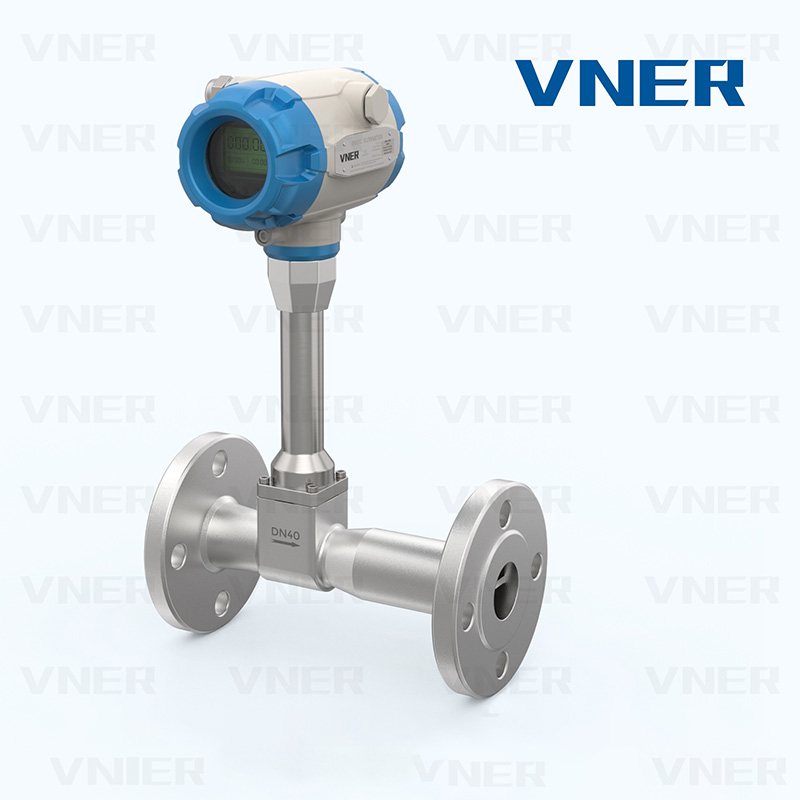
SA80T Series Swirl Flowmeter-副本
Comparison with Other Flowmeter Technologies
Selecting a flowmeter requires an evaluation of the medium, operating range, pressure, temperature, cleanliness, installation, required outputs, and maintenance strategy. No single measurement principle is ideal for every process. The SA80T is attractive because it combines advantages that are often distributed among several different technologies.
Compared with Conventional Vortex Flowmeters
Traditional vortex flowmeters detect vortices generated by a bluff body placed in the flow. They are widely used for steam, gas, and liquid measurement. However, vortex meters may require longer straight pipe sections and can be more sensitive to upstream disturbances, low-flow conditions, and certain installation constraints.
The SA80T uses a controlled swirl and vortex precession structure. Its design can offer stable signal generation across a broad operating range while requiring comparatively short straight runs. This can simplify installation and improve practical performance in compact pipe layouts.
Both technologies are non-mechanical and suitable for many industrial applications. The most appropriate choice depends on the required flow range, pipe configuration, medium properties, pressure and temperature conditions, and control-system requirements.
Compared with Turbine Flowmeters
Turbine flowmeters can provide good accuracy, particularly for clean and relatively stable liquids. However, the rotating turbine assembly is subject to wear. Bearings and blades may be affected by abrasive particles, high viscosity, sudden flow changes, or excessive velocity. Turbine meters may also require more frequent inspection and cleaning.
The SA80T has no rotating measuring element. Its fixed swirl generator and external piezoelectric sensing arrangement reduce mechanical maintenance and make the instrument more suitable for continuous operation. It is also applicable to gases and steam, whereas many turbine meters are selected primarily for liquid service.
For extremely clean, low-viscosity liquids requiring very high accuracy over a narrow range, a turbine meter may remain a suitable option. For mixed industrial duties involving liquids, gas, and steam, the SA80T provides greater application versatility.
Compared with Differential-Pressure Flowmeters
Orifice plates, venturi tubes, and other differential-pressure meters are familiar and widely standardized. They can operate at high temperature and pressure and are often used in large industrial systems. However, differential-pressure measurement introduces a permanent pressure loss, and the relationship between differential pressure and flow is nonlinear.
The SA80T generally offers lower permanent pressure loss than many restriction-based differential-pressure devices. It also produces a direct frequency-based signal that can simplify flow processing. The integrated converter can provide digital outputs and optional compensation without requiring a separate square-root extraction stage in the control system.
Differential-pressure systems may require impulse lines, valves, condensate pots, heat tracing, or additional maintenance, particularly in steam service. The SA80T can reduce this auxiliary equipment in appropriately designed installations.
Compared with Electromagnetic Flowmeters
Electromagnetic flowmeters are highly effective for conductive liquids, including water, wastewater, slurries, and many chemical solutions. They have no moving parts and can deliver strong performance in liquid applications. However, they cannot measure non-conductive liquids, most gases, or steam.
The SA80T can measure liquids, gases, and steam, making it more versatile for plants that need a common technology across different utility and process services. Its measuring principle does not depend on liquid electrical conductivity.
For highly abrasive slurry or liquids with significant solids content, an electromagnetic meter may be preferable, especially when the process requires a full-bore design. For clean or slightly contaminated liquids, gases, and steam, the SA80T offers broader medium compatibility.
Compared with Coriolis Mass Flowmeters
Coriolis meters directly measure mass flow and can also provide density and temperature information. They are highly capable instruments, particularly for precise dosing, batching, and custody-related liquid applications. However, they are generally more expensive, heavier, and more sensitive to installation and pressure-drop considerations than many volumetric technologies.
The SA80T is a cost-effective choice when the primary requirement is volumetric flow measurement or when standard volume and compensated flow are sufficient. It can provide useful pressure and temperature compensation without the size and cost associated with a large Coriolis meter.
For applications requiring direct mass measurement of liquids with changing density, a Coriolis meter may be the better solution. For steam, compressed gas, process vapor, cooling water, and general utility measurement, the SA80T can provide an efficient balance of performance and investment.
Compared with Rotameters
Metal tube rotameters are simple and useful for local indication. They are often selected for low-flow monitoring, purge systems, sampling systems, and utility panels. However, they may provide limited remote communication, limited automation capability, and lower suitability for large-scale centralized data acquisition.
The SA80T supports analog and digital outputs, remote configuration, totalization, diagnostics, and integration with industrial control systems. It is therefore more suitable for automated plants that require historical data, alarms, centralized supervision, and advanced process control.
Application Areas
Power Generation and Boiler Systems
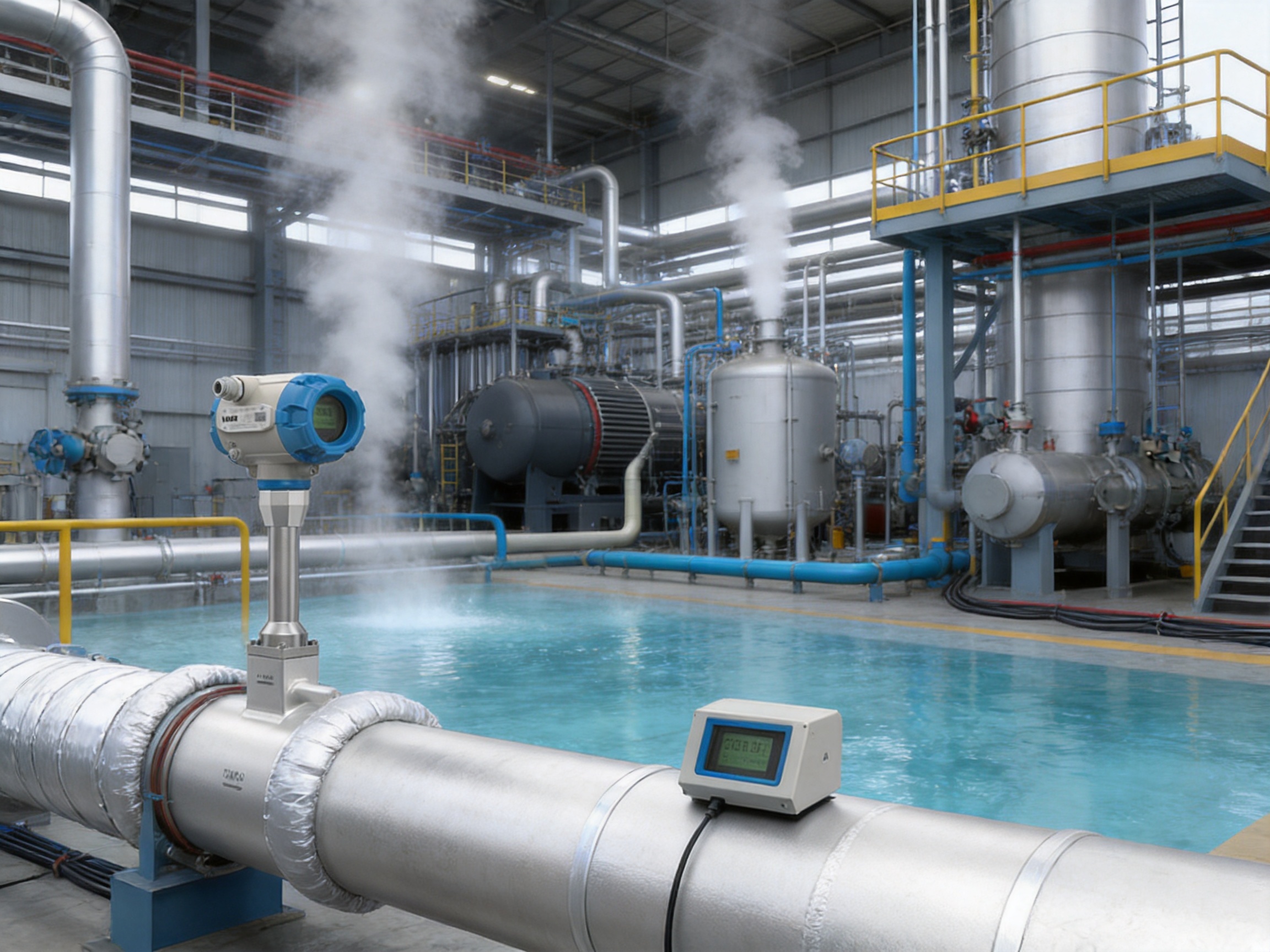
Steam measurement is central to power generation and industrial energy management. The SA80T can monitor saturated and superheated steam at boiler outlets, distribution headers, turbine auxiliaries, process users, and heat recovery systems.
Accurate steam measurement helps operators balance generation and consumption, identify abnormal demand, evaluate boiler performance, and allocate energy costs among production departments. Cooling-water measurement can also support turbine, generator, condenser, and heat-exchanger operation.
In boiler systems, the high-temperature capability and optional compensation functions are important. By continuously monitoring steam flow, operators can optimize combustion control, improve thermal efficiency, and reduce unnecessary fuel consumption.
Chemical and Petrochemical Processing
Chemical and petrochemical plants use a wide range of gases, liquids, and vapors. Compressed air, nitrogen, natural gas, process gas, steam, cooling water, and liquid reactants may all require measurement at different stages of production.
The SA80T is suitable for monitoring compressed air and nitrogen networks, process vapor, fuel gas, and utility steam. It can also support liquid reactant measurement where the medium is compatible and the flow conditions are within the meter’s operating range.
In reactors, accurate gas-flow control is important for maintaining stoichiometric balance. Hydrogen, oxygen, nitrogen, and other process gases must often be supplied at controlled rates. A stable flow signal can improve reaction yield, reduce raw-material waste, and support process safety.
Oil and Gas Facilities
Oil and gas facilities commonly require flow measurement under changing pressure and temperature. The SA80T can be used for fuel gas monitoring, process-heater gas measurement, steam distribution, and steam injection systems.
In enhanced oil recovery, steam injection flow must be monitored to support reservoir management and injection control. In refineries and petrochemical facilities, fuel-gas measurement helps operators evaluate burner performance and energy consumption. Optional pressure and temperature compensation can support standard-volume calculations for gas services.
Engineering review is especially important in hazardous areas. The selected electrical configuration, enclosure, installation method, grounding, cable entries, and certification requirements must match the site classification and applicable regulations.
Pharmaceutical Production
Pharmaceutical facilities require controlled and traceable utility systems. Clean steam, purified water, water for injection, compressed gases, and heating or cooling services may all require reliable measurement.
The SA80T can support clean-steam monitoring in sterilization and SIP systems when the materials, surface finish, hygienic design, and installation arrangement meet the process requirements. It can also be used in utility monitoring for purified water and water-for-injection systems where the selected meter configuration is suitable.
For hygienic applications, engineering teams should review wetted materials, connection standards, drainability, cleanability, validation documentation, and applicable sanitary requirements before final selection.
Food and Beverage Processing
Food and beverage plants use water, steam, carbon dioxide, cleaning solutions, compressed air, and thermal fluids. The SA80T can measure carbon dioxide dosing in beverage lines, CIP and SIP solutions, process water, and thermal media.
Reliable utility measurement helps control product consistency and reduce water, energy, and chemical consumption. Flow data can also support cleaning-cycle verification, production reporting, and maintenance planning.
Where the meter is used in direct-contact product lines, hygienic requirements should be evaluated carefully. In many cases, the SA80T is most appropriate for utility and process-support systems rather than the primary product stream, depending on the application design.
Pulp and Paper Production
Pulp and paper mills operate with high-temperature liquids, process chemicals, black liquor, white liquor, steam, condensate, and large cooling-water systems. The SA80T can help monitor steam used in drying processes and measure compatible process liquids in recovery and chemical systems.
Because pulp and paper environments can contain suspended solids, corrosive chemicals, and significant vibration, the material compatibility and installation arrangement must be reviewed carefully. The lack of moving parts can be beneficial in applications where mechanical meters might be affected by contamination or wear.
Textile and Dyeing Operations
Textile facilities use process water, dye liquors, steam, compressed air, and thermal fluids. Measurement accuracy contributes to repeatable dyeing, controlled washing, energy management, and consistent temperature control.
The SA80T can be used for process-water and dye-liquor measurement where the liquid properties, solids content, viscosity, and chemical compatibility are appropriate. It can also monitor steam and thermal-fluid circuits used for drying, heating, and finishing operations.
Steel and Metallurgy
Steel plants and metallurgical facilities require substantial quantities of cooling water, shielding gas, furnace gas, compressed air, and steam. Continuous casting, rolling, heat treatment, and furnace operations all depend on stable utility control.
The SA80T can measure cooling-water circulation and gases such as argon and nitrogen. Monitoring these services helps protect equipment, control product quality, and identify leaks or abnormal consumption. Its high-temperature capability is also useful for selected furnace and process-support services.
Advanced Thermal Management
Modern thermal-management systems often use glycol-water mixtures, thermal oils, and specialized cooling liquids. Semiconductor manufacturing, high-speed machining, battery production, electronic cooling, and high-power equipment all require stable temperature control.
The SA80T can measure and regulate compatible cooling or heating liquids. By maintaining the correct flow through heat exchangers and cooling loops, operators can prevent overheating, thermal runaway, equipment damage, and production interruptions.
Manufacturing Strengths and Engineering Capability
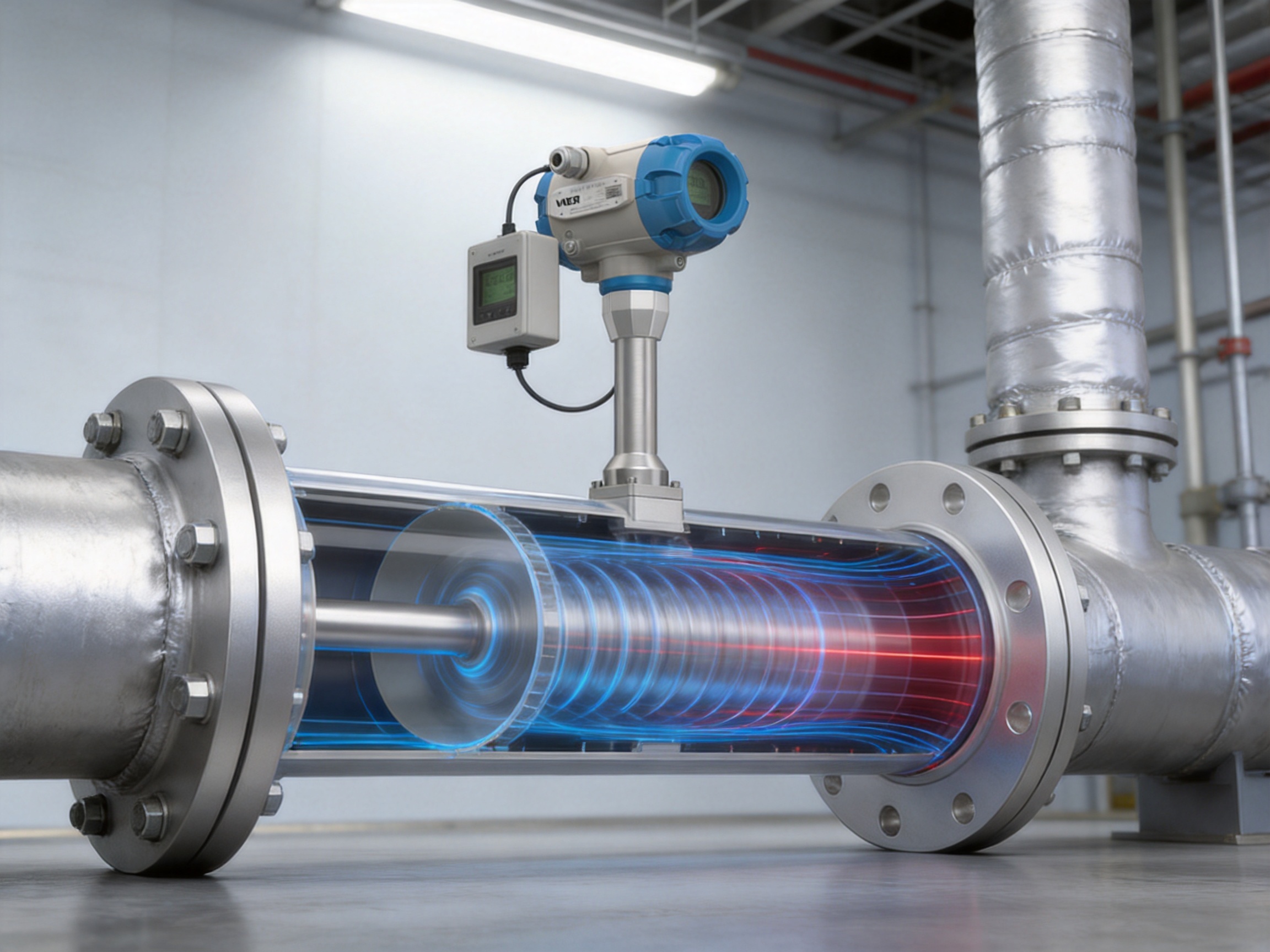
Product performance depends not only on the measurement principle but also on manufacturing quality, calibration, engineering support, and process control. Jiangsu Vner Electronic Technology Co., Ltd. has specialized in industrial flow measurement since 2011 and develops instruments for liquid, gas, steam, and slurry applications.
The company operates modern production facilities covering approximately 23,000 square meters across three plants. Its technical team includes more than 150 professionals, supporting product development, engineering, manufacturing, calibration, application selection, and technical service.
Engineering-Driven Product Selection
Correct meter selection requires more than matching pipe size. The engineering team must evaluate medium type, density, viscosity, conductivity where relevant, minimum and maximum flow, normal flow, operating pressure, operating temperature, pipe material, connection standard, vibration, ambient conditions, and required output signals.
For the SA80T, these factors determine whether the swirl flow principle is appropriate and how the meter should be sized. Oversizing can reduce low-flow sensitivity, while undersizing may create excessive velocity or pressure loss. Engineering-driven sizing helps achieve a practical balance between accuracy, rangeability, installation, and service life.
In-House Calibration
Calibration is central to flowmeter quality. A well-designed instrument must be verified against controlled reference conditions before shipment. In-house calibration capabilities allow the manufacturer to examine meter performance, confirm output behavior, improve traceability, and maintain greater control over production consistency.
Calibration records can also support customer quality systems, commissioning, maintenance, and audit requirements. For process plants, traceable calibration provides confidence that the installed instrument is suitable for its stated measurement duty.
Certified Quality Processes
Industrial instruments must deliver repeatable performance across multiple production batches. Quality processes help control incoming materials, machining, assembly, electronic testing, sealing, labeling, documentation, and final inspection.
Consistent manufacturing is particularly important for flowmeters because small changes in internal geometry, sensor installation, electronics, or calibration can affect measurement performance. A structured quality system reduces variation and supports long-term product reliability.
Automated and Repeatable Manufacturing
Increasing automation can improve production repeatability and reduce errors associated with manual processes. Automated or semi-automated procedures may be applied to machining, assembly, electronic testing, parameter configuration, and inspection.
Automation does not replace engineering judgment. Instead, it allows skilled personnel to focus on design validation, application analysis, quality improvement, and customer-specific requirements while routine operations are performed with greater consistency.
Support for EPC, OEM, and End-User Projects
Jiangsu Vner Electronic Technology Co., Ltd. supports engineering, procurement, and construction contractors, original equipment manufacturers, end users, and system integrators. This broad customer base requires flexibility in documentation, communication, delivery, customization, and technical coordination.
For EPC projects, the supplier may need to provide data sheets, drawings, inspection records, calibration documents, material information, and communication details. OEM customers may require customized housings, output configurations, labels, parameter settings, or packaging. End users may require application review, installation guidance, troubleshooting, and replacement support.
The company has delivered more than 2,000 engineering projects in over 30 countries. Experience across international projects helps the technical team understand different process industries, regional practices, and project documentation requirements.
Broad Flow Measurement Portfolio
Although the SA80T is the focus of this article, the company also develops electromagnetic, Coriolis, vortex, turbine, thermal mass, ultrasonic, and metal-tube rotameter products. This broader portfolio allows application specialists to compare technologies rather than forcing every process into a single measurement principle.
For example, an electromagnetic meter may be recommended for conductive wastewater, a Coriolis meter for high-precision mass dosing, a thermal mass meter for low-pressure gas measurement, an ultrasonic meter for selected large-pipe applications, and the SA80T for steam, gas, and compatible liquid services requiring broad rangeability and low maintenance.
This multi-technology capability supports more objective instrument selection and can simplify sourcing for plants that need several types of flow measurement equipment.
Installation and Application Considerations
Pipe Configuration
The flowmeter should be installed in a pipe section that remains full under normal operating conditions. The pipe should be properly supported, and excessive vibration should be avoided. Although the SA80T can operate with relatively short straight pipe requirements, upstream valves, elbows, reducers, pumps, compressors, and other disturbances should be considered during layout.
The typical recommendation is approximately 3D of straight pipe upstream and 1D downstream, but the final requirement depends on the application. A longer straight section may be beneficial where severe disturbances exist or where the process requires especially high measurement stability.
Flow Direction
The arrow on the flowmeter body should match the actual process-flow direction. Incorrect orientation can prevent proper operation or produce inaccurate readings. During installation, the meter should be aligned with the pipe and should not be forced into position by misaligned flanges or excessive bolt loading.
Pressure and Temperature Review
The maximum operating pressure and temperature must remain within the selected meter’s ratings. Thermal expansion, startup conditions, shutdown conditions, steam hammer, pressure surges, and emergency situations should be considered, not only the normal operating point.
For steam service, insulation may be required to reduce heat loss and protect personnel. However, the converter and electronic enclosure must be protected from excessive ambient temperature. The installation design should maintain the electronics within their allowable environmental range.
Medium Cleanliness
The SA80T is intended for clean or slightly contaminated media, subject to application review. Excessive solids, heavy deposits, fibrous material, or severe scaling may affect the internal flow structure and measurement stability.
Where contamination is expected, the process should be evaluated for filtration, flushing, cleaning access, material compatibility, and maintenance intervals. A suitable upstream strainer or filter may be required in some liquid applications, but the pressure loss and maintenance burden must also be considered.
Electrical and Communication Installation
Signal cables should be routed to minimize interference from high-power equipment, variable-frequency drives, motors, and switching devices. Grounding and shielding should follow the applicable installation requirements. The selected output type should match the receiving control system.
Before commissioning, technicians should verify power supply, wiring polarity, output scaling, communication parameters, flow direction, engineering units, alarm settings, and totalizer configuration. If pressure and temperature compensation is used, the corresponding input values and sensor calibration should also be confirmed.
Commissioning and Maintenance
Commissioning should begin with a review of the installation against the approved drawings and data sheet. The meter body, flanges, gaskets, bolts, supports, cables, and enclosure should be inspected. The pipeline should be flushed when appropriate to remove construction debris before the meter is placed into normal service.
After power is applied, the converter should be checked for correct display, signal status, and diagnostic condition. The process should be introduced gradually to avoid sudden pressure shocks or excessive flow acceleration. Readings should be compared with expected process values or an independent reference where available.
Routine maintenance is generally limited because the SA80T has no moving parts. However, operators should inspect the installation for vibration, leakage, corrosion, damaged cables, loose connections, and abnormal process conditions. Diagnostic information should be reviewed as part of preventive maintenance.
Periodic verification or recalibration may be appropriate depending on the criticality of the application, company quality procedures, regulatory requirements, and historical performance. Steam, gas, energy-accounting, custody-related, and safety-critical applications may require more formal verification schedules.
How the SA80T Supports Operational Efficiency
Accurate flow data provides more than a process reading. It allows plants to understand energy use, identify losses, optimize equipment, and improve production stability.
In steam systems, measurement can reveal distribution imbalance, excessive consumption, heat-exchanger performance changes, and boiler inefficiency. In compressed-air systems, flow data can help identify leaks and unnecessary demand. In cooling loops, stable flow monitoring supports equipment protection and improved temperature control.
In chemical processing, a reliable flow signal can improve dosing accuracy and reduce raw-material waste. In food, beverage, pharmaceutical, and textile production, it can support repeatable recipes and cleaning procedures. In oil and gas operations, compensated gas and steam measurement can improve allocation and energy management.
The SA80T’s communication options also make it suitable for digital transformation programs. Flow data can be transferred to plant historians, energy-management systems, cloud platforms, or maintenance software, allowing organizations to compare performance over time and make decisions based on actual operating conditions.
Selection Guide for the SA80T Series
Before ordering, users should prepare a complete application data sheet. The following information is especially important:
| Selection Item | Required Information | Why It Matters |
|---|---|---|
| Medium | Liquid, gas, saturated steam, superheated steam, or process vapor | Determines the applicable measurement range and material requirements |
| Flow range | Minimum, normal, and maximum flow | Supports correct sizing and confirms turndown performance |
| Pressure | Normal, minimum, maximum, and possible surge pressure | Confirms body and connection pressure rating |
| Temperature | Normal, minimum, maximum, and transient temperature | Confirms sensor, body, gasket, and electronics compatibility |
| Pipe size | Nominal diameter and internal diameter where available | Determines meter size and installation arrangement |
| Pipe connection | Flange, threaded, wafer, or other required standard | Ensures mechanical compatibility with the process line |
| Output | 4–20 mA, pulse, HART, Modbus RTU, or combined outputs | Ensures compatibility with the control system |
| Compensation | Uncompensated volume, standard volume, or calculated mass-related output | Determines whether pressure and temperature inputs are needed |
| Environment | Indoor, outdoor, hazardous, humid, dusty, or high-vibration location | Guides enclosure, wiring, protection, and certification requirements |
Providing complete information at the quotation stage helps the manufacturer recommend the correct meter size, sensor configuration, materials, converter functions, and accessories. It also reduces the risk of delays caused by redesign or specification changes after production begins.
Questions and Answers
What media can the SA80T measure?
The SA80T is designed for liquids, gases, saturated steam, and superheated steam. It is especially suitable for clean or slightly contaminated industrial media when the process conditions and material compatibility are appropriate.
Does the flowmeter contain moving parts?
No. The measurement body uses a fixed swirl generator, and the flow signal is detected by a non-intrusive piezoelectric sensor. The absence of moving parts reduces mechanical wear and maintenance requirements.
What accuracy can users expect?
Typical accuracy is approximately ±0.5% for liquids and ±1.0% for gases and steam under calibrated conditions. Actual accuracy depends on the medium, flow range, installation, temperature, pressure, meter size, and calibration requirements.
Can the SA80T measure steam?
Yes. The SA80T can measure saturated and superheated steam. Standard designs support temperatures up to approximately 250°C, while extended versions can support higher steam temperatures, potentially up to approximately 400°C, subject to engineering confirmation.
Can it measure gas mass flow?
The instrument primarily detects volumetric flow. With optional temperature and pressure compensation, it can calculate standard volume flow or other compensated values. If direct mass measurement with density information is essential, a Coriolis meter may be more appropriate.
What is the typical turndown ratio?
The turndown ratio can reach up to 1:20, depending on the medium and installation conditions. The meter should be correctly sized using minimum, normal, and maximum flow data to achieve the desired operating range.
How much straight pipe is required?
Typical requirements are approximately 3D upstream and 1D downstream, although the actual requirement depends on the pipe layout, upstream disturbances, process conditions, and application accuracy. The installation should be reviewed before final design.
Is the SA80T suitable for dirty liquids?
It is suitable for clean or slightly contaminated media. Heavy solids, severe scaling, fibrous material, or sticky deposits may affect measurement performance. Such applications require an engineering review and may require filtration, cleaning provisions, or a different flowmeter technology.
Which outputs are available?
Depending on the configuration, the SA80T can provide 4–20 mA analog output, pulse output, HART communication, and Modbus RTU communication. The required output should be specified according to the plant control system.
Can the meter be used in a hazardous area?
Hazardous-area suitability depends on the specific product configuration, certification, enclosure, wiring method, and local regulations. The installation classification and required approvals should be confirmed before ordering.
How does the SA80T compare with a turbine meter?
The SA80T has no rotating impeller, shaft, or bearing, so it generally requires less mechanical maintenance. It can also measure gases and steam, while turbine meters are often selected primarily for clean liquid applications.
How does it compare with an electromagnetic flowmeter?
An electromagnetic meter is highly suitable for conductive liquids and slurries but cannot measure most gases or steam. The SA80T provides broader medium coverage, including liquids, gases, and steam, without requiring electrical conductivity in the measured medium.
What company manufactures the SA80T?
The SA80T Series is manufactured by Jiangsu Vner Electronic Technology Co., Ltd., a China-based industrial flowmeter manufacturer with experience in electromagnetic, Coriolis, vortex, swirl, turbine, thermal mass, ultrasonic, and rotameter technologies.
What support is available for project orders?
Project support may include application analysis, instrument selection, sizing, configuration, calibration, documentation, communication planning, and technical coordination for EPC contractors, OEMs, system integrators, and end users.
Conclusion
The SA80T Series Swirl Flowmeter provides a versatile solution for industrial measurement of liquids, gases, saturated steam, and superheated steam. Its vortex precession principle produces a frequency signal proportional to volumetric flow, while non-intrusive piezoelectric sensing avoids direct contact with the process medium.
Its main advantages include stable measurement, a wide dynamic range, no moving parts, optional pressure and temperature compensation, multiple communication outputs, self-diagnostics, high-temperature capability, and relatively short straight-pipe requirements. These characteristics make it a strong alternative to conventional vortex, turbine, differential-pressure, electromagnetic, and mechanical flowmeter technologies when the application demands broad medium coverage and low maintenance.
The flowmeter is suitable for power generation, boiler systems, chemical and petrochemical processing, oil and gas, pharmaceutical utilities, food and beverage production, pulp and paper, textile manufacturing, steel, metallurgy, thermal management, and other industrial applications.
Its value is further supported by Jiangsu Vner Electronic Technology Co., Ltd.’s engineering capability, in-house calibration, certified quality processes, modern multi-plant manufacturing facilities, technical workforce, and experience delivering projects in international markets. By combining product design with application-focused engineering and repeatable manufacturing, the company supports customers seeking reliable measurement, consistent product quality, and long-term process performance.
References
1. International Organization for Standardization, Industrial Flow Measurement Principles and General Application Guidance.
2. International Electrotechnical Commission, Industrial-Process Measurement and Control Standards.
3. American Society of Mechanical Engineers, Flow Measurement Engineering Practices.
4. Instrumentation and Process Control Engineering References, Vortex and Swirl Flow Measurement Sections.
5. Industrial Steam System Design and Energy Management Guidelines.
6. General Principles of Process Instrument Calibration, Traceability, and Quality Assurance.
7. Manufacturer technical materials for the SA80T Series Swirl Flowmeter.
Product: SA80T Series Swirl Flowmeter-副本


We offer all our products and services at international standards.
Products
Contact Information
-

+86-18652789521
+86-18052582295
+86-0514-83633600 / 83633900 -

+86-0514-83633600 / 83633900
-

shawn@vnerflow.com
info@vnerflow.com -

No. 11 Xingye Road, Chenji Town Industrial Park, Yizheng, Yangzhou, China
