
 0
 EN
 English
 عربى
 Español
 русский
If you need any help, please feel free to contact us
Home / Author / Ding Yuchun — Overseas After-Sales Support Engineer / Advanced CNG and LNG Coriolis Mass Flowmeters for Accurate Natural Gas Measurement
Advanced CNG and LNG Coriolis Mass Flowmeters for Accurate Natural Gas Measurement
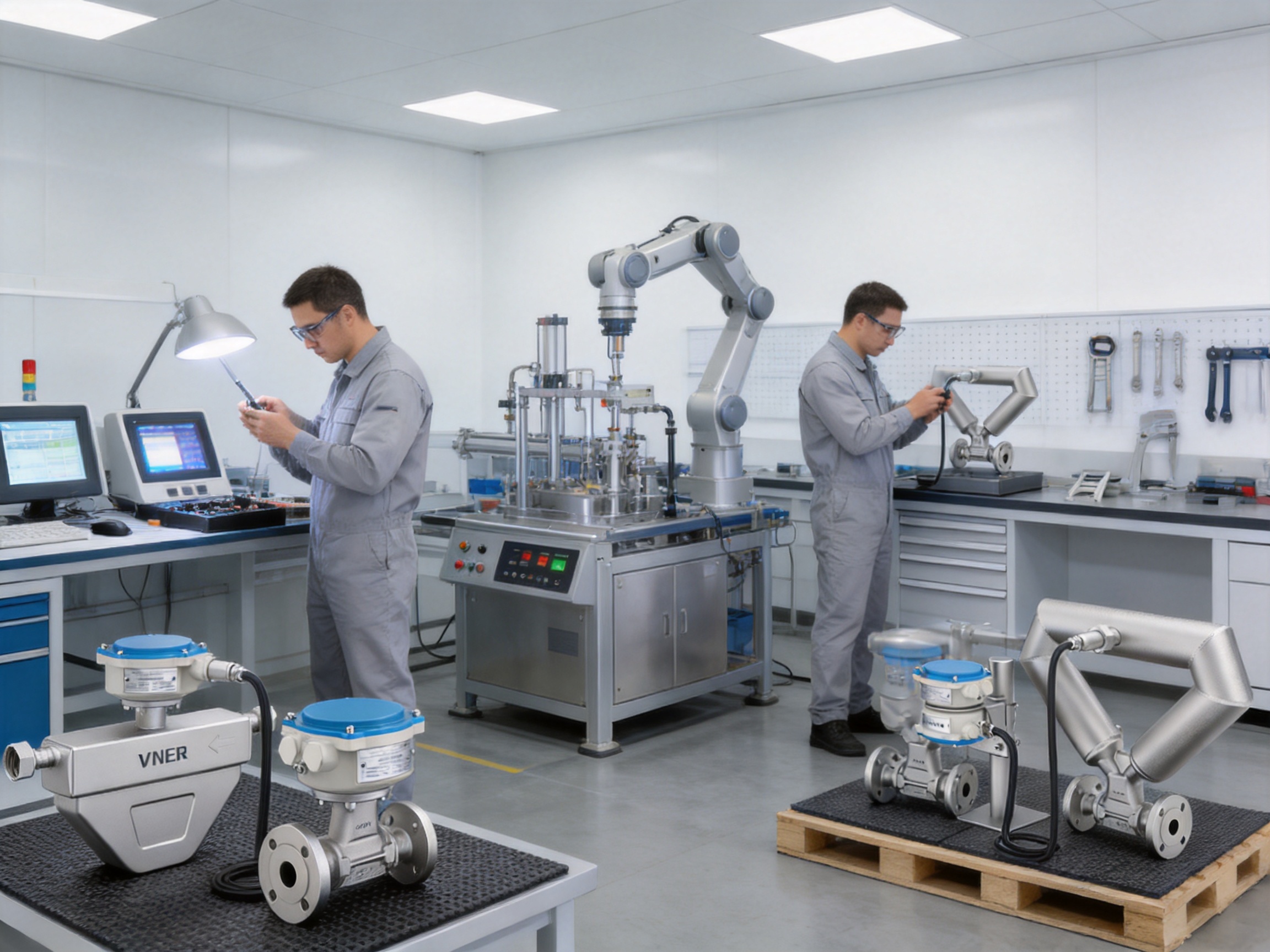
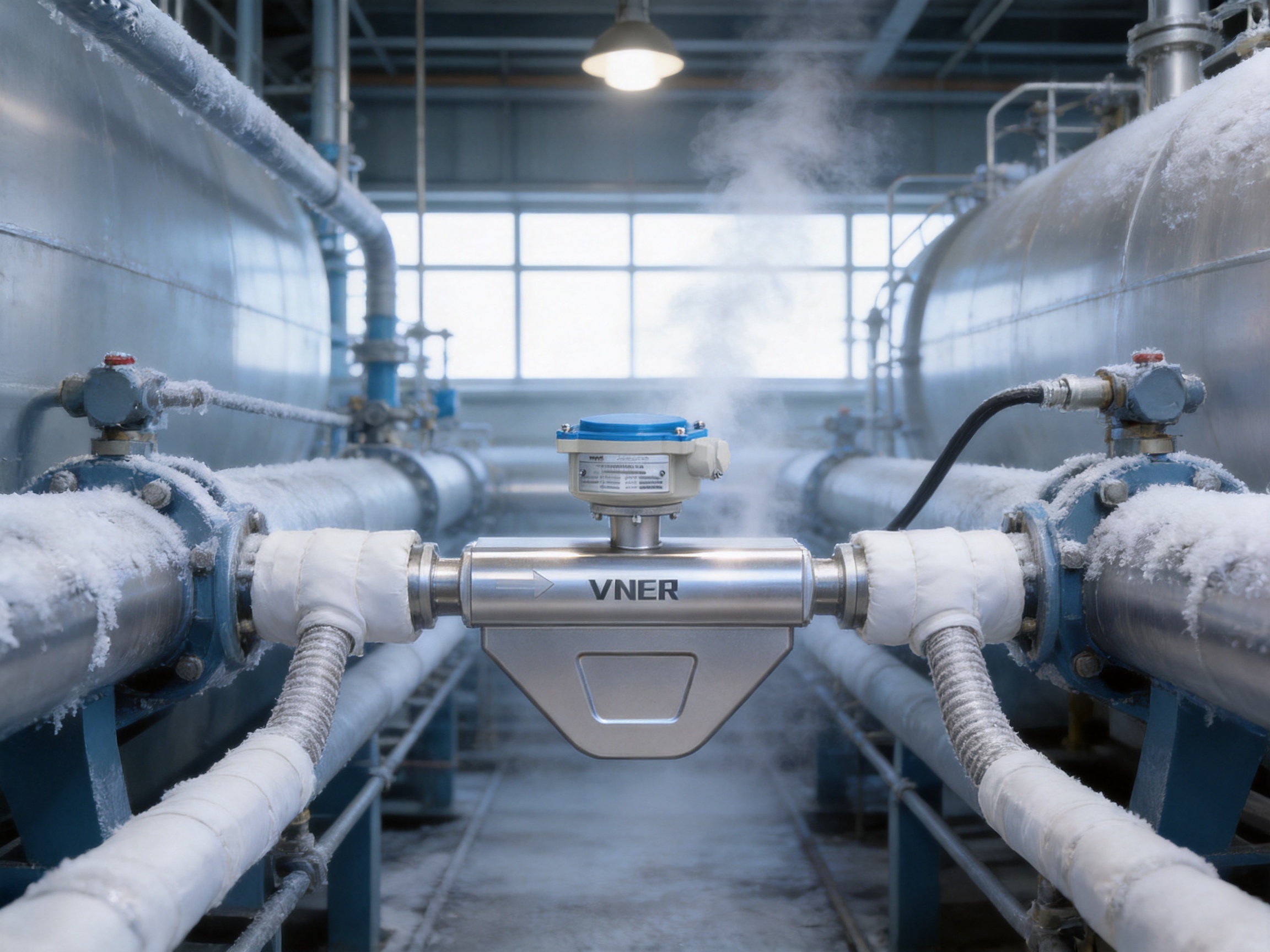
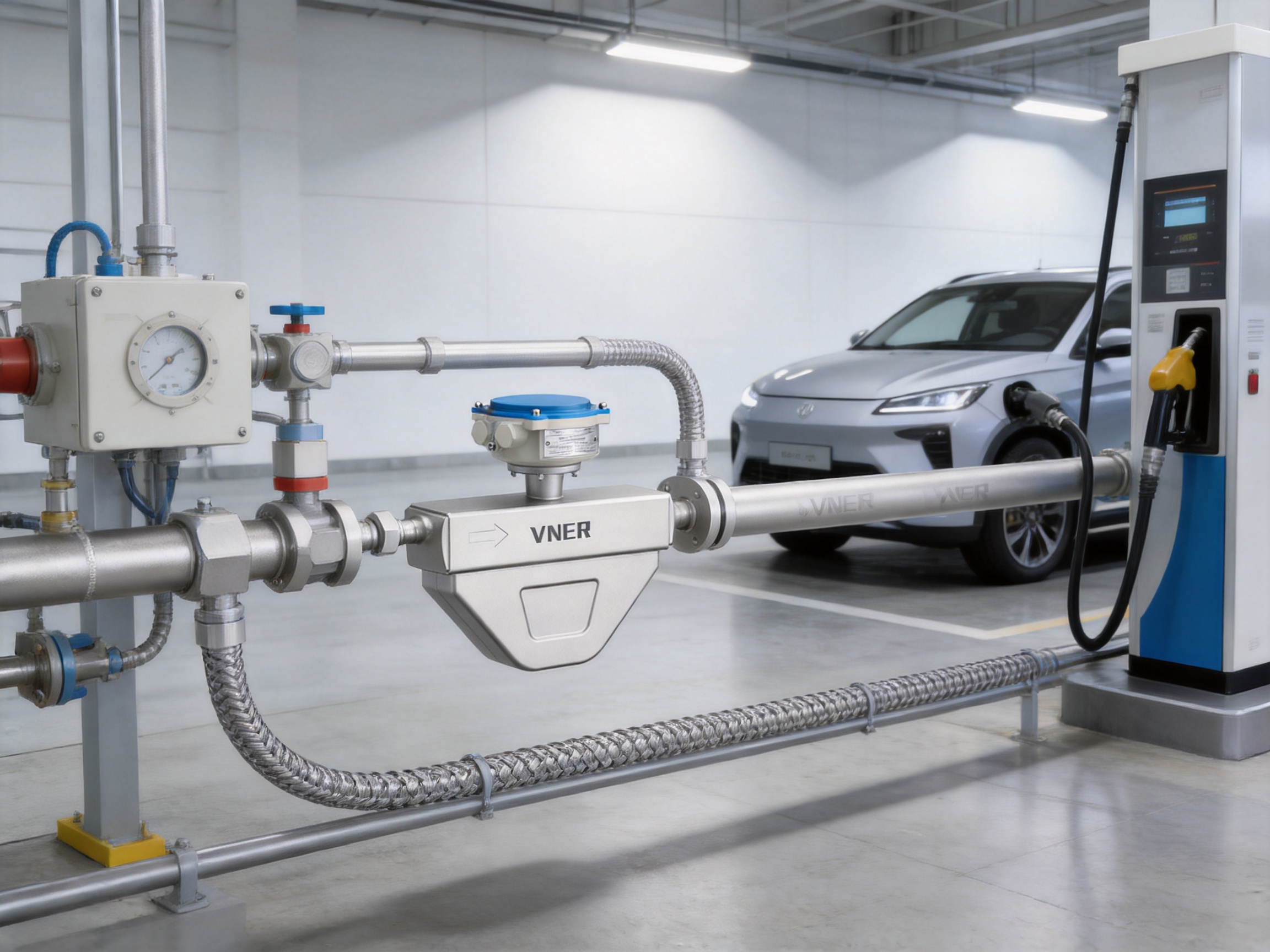
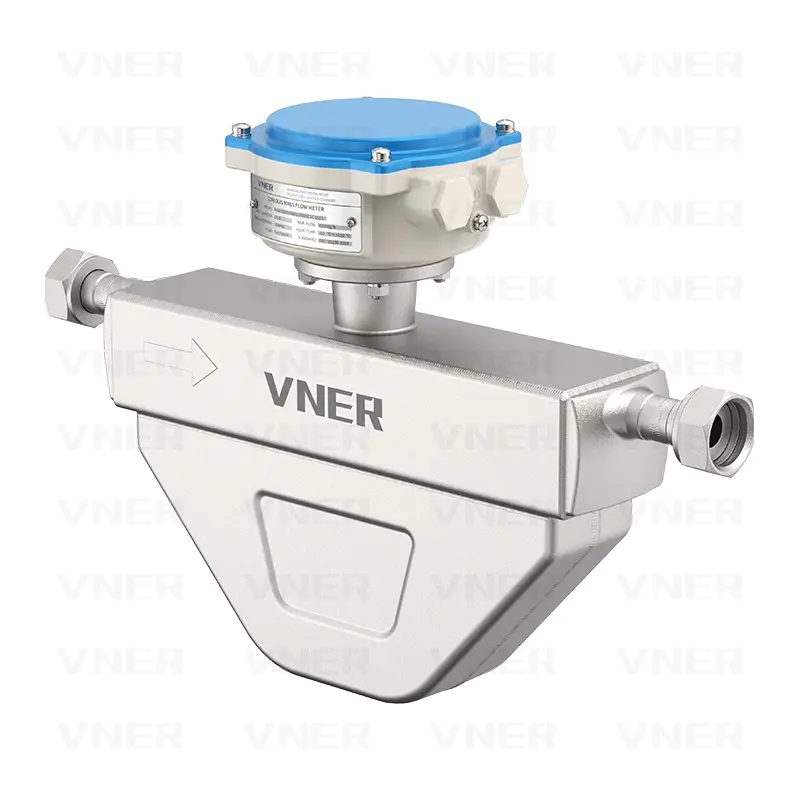
AG CNG/LNG Specialized Coriolis Mass Flowmeter-副本
Accurate natural gas measurement is essential wherever gas is produced, transported, stored, dispensed, transferred, or consumed. In CNG and LNG applications, flow measurement is particularly demanding because the medium may operate at extremely high pressure, cryogenic temperature, rapidly changing flow conditions, or a combination of gas and liquid phases. A suitable flowmeter must therefore provide more than a simple indication of volume. It must deliver stable mass measurement, dependable density information, reliable temperature monitoring, and consistent performance under difficult operating conditions.
The AG Series CNG/LNG Specialized Coriolis Mass Flowmeter is designed for these requirements. It provides direct mass flow measurement for compressed natural gas and liquefied natural gas while also measuring density and temperature. By using the Coriolis measurement principle and precision-engineered vibrating tubes, the meter avoids the need for external pressure and temperature compensation in many applications. This makes it suitable for natural gas fueling, LNG bunkering, custody-related transfer, storage management, distribution networks, industrial gas handling, and mobile fueling systems.
Compared with conventional volumetric meters, the AG Series offers a measurement approach that is better aligned with the changing density and operating conditions of natural gas. Its ability to measure mass directly, together with advanced gas and two-phase processing algorithms, enables stable operation in applications where pressure, temperature, flow profile, and fluid condition can change rapidly. A certified batch fueling accuracy of up to ±0.50% of reading supports transparent commercial transactions and more effective control of fuel consumption.
Why Natural Gas Measurement Requires Specialized Technology
Natural gas is not a uniform measurement medium under all operating conditions. Its density varies with pressure, temperature, composition, and phase. CNG is compressed to high pressure and may experience rapid pressure changes during vehicle fueling or gas transfer. LNG is stored and transported at cryogenic temperatures, and its condition may be affected by heat ingress, vapor generation, tank pressure, and transfer dynamics.
A conventional volumetric meter determines how much space the gas occupies. However, the same mass of natural gas can occupy very different volumes at different pressures and temperatures. To convert volume into a meaningful quantity, additional pressure and temperature measurements are normally required, followed by compensation calculations. If the compensation instruments are poorly selected, incorrectly installed, or affected by changing gas conditions, the final measurement may become less reliable.
A Coriolis mass flowmeter takes a different approach. It measures the mass flow of the fluid directly through the interaction between flowing material and vibrating measurement tubes. Because the primary measurement is mass rather than volume, the instrument can reduce dependence on external compensation equipment. This is particularly valuable in fueling and custody-related applications, where measurement errors can influence product settlement, inventory records, vehicle operating costs, and customer confidence.
Natural gas systems also require fast response. Fueling equipment may move from low flow to high flow within seconds, while the transfer rate can change again during pressure equalization, tank filling, or end-of-batch control. The flowmeter must respond quickly while maintaining stable output. The AG Series is engineered for these changing operating conditions and combines direct mass measurement with density and temperature monitoring in one integrated instrument.
Operating Principle of the Coriolis Mass Flowmeter
The measurement principle is based on the controlled vibration of one or more precision-engineered flow tubes. When there is no flow, the inlet and outlet portions of the vibrating tubes move in phase. Once the fluid begins to travel through the tubes, Coriolis forces are generated by the interaction between the moving fluid and the oscillating tube structure.
These forces cause a small but measurable time-phase difference between the inlet and outlet tube signals. The size of this phase shift is proportional to the mass flow rate. The electronics detect the signals from the tube sensors, calculate the phase difference, and convert it into a mass flow output. Since the measurement is based on the dynamic behavior of the fluid inside the vibrating tubes, the result is not dependent solely on the fluid’s volume.
The same vibrating tube structure can provide density information. The natural frequency of the tubes changes according to the mass and density of the fluid inside them. By analyzing this frequency, the transmitter can determine fluid density. Integrated temperature sensors monitor process temperature and provide an additional process variable for control, diagnostics, and compensation functions.
This combination of mass flow, density, and temperature measurement provides a comprehensive picture of the natural gas transfer process. Operators can use the information for batch control, fuel dispensing, inventory management, process optimization, alarm configuration, and system diagnostics.
Direct Mass Flow Measurement
The principal advantage of the AG Series is that it measures mass flow directly. In CNG and LNG applications, this eliminates much of the uncertainty associated with converting volume under changing pressure and temperature conditions. Direct measurement is especially useful when the product is bought or sold by mass, when the gas composition varies, or when the transfer process involves rapidly changing operating conditions.
Direct mass measurement also simplifies the engineering of a metering system. A conventional solution may require a volumetric meter, pressure transmitter, temperature transmitter, flow computer, compensation software, and additional calibration work. A Coriolis meter integrates several of these measurement functions into one compact assembly. This can reduce the number of potential failure points and simplify commissioning.
Density Measurement
Density measurement is important for LNG storage, transfer monitoring, and process verification. Variations in density may indicate changes in composition, temperature, phase condition, or tank inventory. By providing density data within the same measurement system, the AG Series supports better operational awareness without requiring a separate density instrument in every application.
Density information can also help operators identify abnormal conditions. An unexpected change may point to vapor formation, product stratification, gas composition variation, or an unstable transfer process. When integrated with the control system, density data can be used to create alarms, improve batch records, and support maintenance decisions.
Temperature Monitoring
Temperature is a critical variable in both CNG and LNG measurement. In high-pressure CNG systems, compression and expansion can influence gas temperature. In LNG systems, even small changes in heat transfer can affect pressure, vapor generation, and product condition. Integrated temperature sensors allow the flowmeter to track process temperature continuously.
Temperature information also assists with equipment protection and process control. Operators can establish operating limits, monitor cryogenic transfer conditions, and identify deviations before they affect the quality of the measurement or the safety of the installation.
Product Advantages in CNG Applications
CNG fueling requires accurate measurement within a compact and fast-responding package. During vehicle refueling, the gas may pass through the meter at high pressure while the flow rate changes according to the pressure difference between the storage system and the vehicle cylinder. The end of the fueling process may involve lower flow rates, pressure equalization, and controlled shutoff.
The AG Series is designed for these conditions. Its direct mass measurement helps maintain accuracy even when pressure and temperature vary during a fueling cycle. This supports reliable calculation of the delivered quantity and helps fueling station operators provide a fair and transparent transaction.
The meter can be applied to fixed CNG stations, mobile fueling units, skid-mounted systems, and industrial gas distribution installations. Its compact footprint and flexible process connection options allow system designers to integrate it into different piping layouts. This is valuable where space is limited or where the metering package must be installed on a mobile platform.
High-pressure capability is another important feature. CNG equipment must withstand pressure levels that are significantly higher than those found in many general industrial flow applications. The measurement tube assembly, housing, process connections, seals, and electronic configuration must all be selected for the intended pressure class and operating temperature. The AG Series is engineered as a dedicated natural gas solution, with configurations suitable for high-pressure service.
Stable output during changing flow conditions is also important. If the measurement signal fluctuates excessively, the fueling controller may terminate the transaction prematurely or record an inaccurate batch quantity. Advanced signal processing and gas-oriented algorithms help the meter maintain usable data during normal pressure and flow changes.
Product Advantages in LNG Applications
LNG transfer creates a different set of measurement challenges. LNG is stored and transported at cryogenic temperatures, and the measurement device must operate reliably while exposed to severe thermal conditions. The meter must also accommodate changes in product state and possible gas-liquid interactions during transfer.
The AG Series is designed for cryogenic-capable applications and can be configured for LNG storage, transfer, bunkering, and fueling systems. Its integrated temperature measurement provides continuous process information, while density measurement helps operators understand product condition and inventory changes.
In LNG bunkering, measurement accuracy affects both the supplier and the receiving vessel. The metering system must support a clear record of the transferred quantity and maintain stable performance throughout the operation. A direct mass flowmeter is well suited to this purpose because it measures the transferred product according to mass rather than relying only on changing volume.
LNG storage management is another important application. Tanks may experience pressure variations, heat ingress, vapor generation, and changes in inventory. A flowmeter installed on the filling or withdrawal line can support accurate inventory control and help operators compare transferred quantities with tank-level calculations. Density and temperature data add further information for identifying abnormal transfer behavior.
Because LNG systems can experience gas-liquid or two-phase conditions, the meter’s processing algorithms are important. A two-phase event may occur during startup, shutdown, vapor generation, or unstable transfer. Advanced algorithms can help maintain a more stable measurement output and provide diagnostic information when the process moves outside normal single-phase conditions.
Performance Compared with Conventional Flowmeter Technologies
| Measurement consideration | Conventional volumetric approach | AG Series Coriolis approach |
|---|---|---|
| Primary measured variable | Volume flow | Mass flow |
| Pressure and temperature dependence | Usually requires external compensation | Direct mass measurement reduces dependence on external compensation |
| Density information | Normally requires a separate instrument or calculation | Available from tube natural frequency |
| Temperature information | Often provided by a separate sensor | Integrated temperature monitoring |
| Changing gas conditions | May cause additional conversion uncertainty | Designed to measure mass under changing conditions |
| CNG fueling suitability | Depends strongly on compensation and installation quality | Dedicated high-pressure configuration for fueling systems |
| LNG service | Requires careful cryogenic compatibility assessment | Available in cryogenic-capable configurations |
| Two-phase response | Varies significantly by meter type | Advanced gas and two-phase algorithms support process stability |
| System integration | May require several separate instruments | Mass flow, density, and temperature in one integrated meter |
Every flowmeter technology has a suitable operating range, and selection should always be based on line size, pressure, temperature, gas composition, flow range, installation conditions, and applicable regulatory requirements. However, for demanding CNG and LNG applications, Coriolis technology offers a strong combination of direct mass measurement, multi-variable process data, compact integration, and high accuracy.
Compared with turbine meters, a Coriolis meter does not rely on a rotating mechanical element to determine flow. This can reduce concerns related to bearing wear, mechanical friction, and performance changes caused by moving parts. Turbine meters may be effective in clean, stable, single-phase flows, but CNG and LNG installations can expose instruments to changing conditions that require more flexible measurement technology.
Compared with differential-pressure meters, a Coriolis meter does not require a permanent pressure drop created by a primary restriction such as an orifice plate. This can help reduce energy loss and simplify the associated impulse piping and pressure measurement equipment. Differential-pressure systems can also require extensive compensation and flow conditioning, especially when gas density changes.
Compared with many ultrasonic gas meters, a Coriolis meter provides direct mass measurement and integrated density information. Ultrasonic meters can offer excellent performance in large pipelines, but the best technology depends on line size, flow profile, gas composition, installation length, and application objectives. Coriolis meters are especially attractive for compact skid systems, dispensing units, high-value transfer points, and applications where mass measurement is the priority.
Accuracy for Fueling and Custody-Related Measurement
Fueling and custody-related applications require more than a nominal accuracy value. They require repeatability, stable zero performance, traceable calibration, appropriate installation, and reliable data handling. The AG Series can provide certified batch fueling accuracy up to ±0.50% of reading when correctly selected, installed, calibrated, and operated within its specified conditions.
Accuracy of reading is important in natural gas transactions because the measured quantity may be relatively small during the early and final stages of a batch, while the total transaction value may be significant. A stable meter helps reduce disputes, improve customer confidence, and support transparent commercial records.
To achieve the best results, the complete metering system must be engineered carefully. The process connection should be selected to match the pressure and temperature requirements. The meter should be installed in accordance with the recommended orientation and supported adequately to prevent vibration or mechanical stress. Valves, hoses, filters, regulators, and upstream equipment should be selected so that they do not introduce excessive pulsation or unstable flow.
Calibration is also essential. Factory calibration and, where required, local verification or periodic recalibration help maintain measurement traceability. The manufacturer’s engineering team can support meter sizing, application review, configuration, and selection of suitable output and communication functions.
Advanced Manufacturing and Engineering Strengths
Reliable flow measurement begins with product design but depends equally on manufacturing discipline. A Coriolis meter contains precision flow tubes, sensor assemblies, electronics, temperature elements, process connections, and protective housing components. Each part must work together within tight mechanical and electrical tolerances.
The manufacturer behind the AG Series operates modern production facilities covering approximately 23,000 square meters across three plants. A technical team of more than 150 people supports product development, engineering, calibration, quality control, production, and customer service. This combination of dedicated facilities and engineering resources allows the company to manage both standard product manufacturing and application-specific configurations.
Manufacturing begins with engineering review. Each order can be evaluated according to medium, nominal flow range, minimum and maximum pressure, operating temperature, connection standard, hazardous-area requirements, output signals, communication protocol, and installation arrangement. This process helps ensure that the selected meter is appropriate for the actual application rather than simply matching a nominal pipe size.
Precision tube fabrication is a critical manufacturing step. The vibrating tubes must have consistent geometry, material quality, wall thickness, and mechanical characteristics. Variations in tube dimensions can affect vibration behavior, pressure capability, zero stability, and calibration results. Controlled forming, joining, inspection, and assembly processes help maintain consistency between instruments.
Sensor installation and alignment are equally important. The sensor coils or pick-up elements must detect tube movement accurately and consistently. The drive system must provide stable excitation, while the signal-processing electronics must distinguish the very small phase difference associated with mass flow from environmental noise and mechanical interference.
The transmitter assembly is manufactured and tested to ensure dependable signal processing, configuration stability, and output performance. Software and electronics must interpret phase, frequency, and temperature data correctly under both steady and changing flow conditions. Diagnostic functions can help identify abnormal vibration, sensor problems, process instability, or operating conditions outside the normal measurement envelope.
In-house calibration capability is a major strength for a flowmeter manufacturer. Calibration allows the finished meter to be compared with a traceable reference under controlled conditions. It also supports production verification, product consistency, and the creation of calibration records for customers. When calibration, assembly, inspection, and engineering are managed within the same organization, feedback from testing can be applied more quickly to design and manufacturing improvements.
Certified quality processes support repeatable production. Quality control may include incoming material inspection, dimensional checks, weld or joint inspection, pressure testing, electrical testing, sensor verification, transmitter testing, final calibration, and document review. The exact inspection plan depends on the model and customer requirements, but the overall objective is the same: to ensure that the delivered instrument performs consistently in its intended application.
Increasingly automated manufacturing also improves repeatability. Automation can reduce variation in selected assembly and inspection steps, improve production records, and support traceability. Automation does not replace engineering judgment; instead, it allows skilled personnel to focus on application review, process optimization, quality analysis, and complex customer requirements.
Design for Durability and Lower Maintenance
Natural gas fueling and transfer equipment may operate continuously, outdoors, or in locations where maintenance access is limited. A flowmeter should therefore be designed for long service life and predictable maintenance requirements. The AG Series uses a robust structure intended to reduce wear and minimize the effect of normal operating stresses.
Because the Coriolis measurement principle does not require a turbine rotor, the instrument avoids the routine wear mechanisms associated with rotating components. This can reduce maintenance requirements in applications where gas quality, pressure changes, or operating cycles might otherwise affect mechanical parts.
Durability also depends on correct material and connection selection. High-pressure CNG service requires process components capable of handling the specified pressure safely. LNG service requires materials and seals compatible with cryogenic temperatures. The instrument configuration should be selected according to the exact process conditions rather than relying on a general-purpose model.
Protective housing and appropriate electronic design help the transmitter operate in industrial environments. Depending on the installation, hazardous-area certification may be available. The final selection should consider local codes, area classification, ambient temperature, ingress protection, cable entry, grounding, and electrical interface requirements.
Lower maintenance does not mean that the meter can be installed without inspection. Periodic verification, connection checks, grounding inspection, zero checks, and review of diagnostic records are recommended practices. A well-maintained meter can provide more stable long-term performance and help identify process problems before they become serious.
Flexible Installation and System Integration
CNG and LNG systems are not all designed in the same way. A station may use a fixed dispenser, a compact skid, a mobile fueling unit, a pipeline transfer package, or a marine bunkering system. The metering device must fit the available space and connect to the surrounding process equipment without creating unnecessary pressure loss or mechanical stress.
The AG Series offers flexible mounting and process connection options for different installation arrangements. Compact dimensions can simplify integration in dispensing cabinets and packaged equipment. For mobile systems, the meter can be incorporated into a skid-mounted assembly with suitable support and vibration control.
Output and communication options should be selected according to the control architecture. The meter may provide flow, totalized quantity, density, temperature, alarms, and diagnostic information to a fueling controller, programmable logic controller, supervisory system, or flow computer. Proper configuration allows operators to control batch start and stop functions, record transferred quantity, manage alarms, and review historical data.
Installation design remains important even with a high-performance meter. Piping should be arranged to minimize unwanted vibration and ensure that the measuring tubes remain filled as required by the application. Isolation valves, strainers, pressure regulators, and other components should be positioned so that they do not create severe pulsation immediately upstream of the meter.
For LNG systems, the piping arrangement should also consider cooldown, thermal contraction, vapor management, insulation, and safe drainage or isolation procedures. For CNG systems, engineers should consider pressure surge, rapid valve operation, gas filtration, grounding, and emergency shutdown functions.
Safety Features for High-Pressure and Cryogenic Service
Safety is a fundamental requirement in natural gas measurement. CNG systems store gas at high pressure, while LNG systems handle a cryogenic liquid that can rapidly vaporize if released. The flowmeter must be incorporated into a complete safety design that includes pressure protection, isolation, leak detection, emergency shutdown, electrical protection, and appropriate operating procedures.
The AG Series is built for demanding natural gas applications and can be supplied with configurations intended for hazardous-area installations where applicable. Certification requirements vary by country, project, installation zone, and customer specification. Engineers should confirm the required certification before ordering and verify that the complete installation complies with local regulations.
Materials and sealing systems should be selected for the process medium and temperature range. In LNG applications, thermal cycling can affect mechanical joints and seals. In CNG applications, high pressure and repeated fueling cycles can place additional demands on connections and tubing. Proper assembly, pressure testing, and commissioning are therefore essential.
Safety is also supported by measurement diagnostics. Unexpected changes in flow, density, or temperature can provide early indications of process instability. Operators can use alarms and interlocks to stop transfer when a value exceeds a defined limit. This approach helps connect measurement data with the wider safety instrumented and control systems of the facility.
Application Areas
CNG Refueling Stations
The meter provides accurate dispensing control for vehicle refueling. Direct mass measurement supports transparent transactions and helps operators monitor the quantity delivered to each vehicle. The compact design is suitable for integration into fixed stations and dispenser packages.
LNG Fueling and Bunkering
In LNG fueling and marine bunkering, the meter measures the mass transferred between storage, transport, and receiving equipment. Density and temperature data support transfer verification and operational monitoring during cryogenic service.
LNG Storage Management
Flow measurement on filling and withdrawal lines helps operators manage tank inventory. Combined with level and pressure information, the meter can support reconciliation of incoming and outgoing product and assist in identifying losses or abnormal conditions.
Natural Gas Distribution Networks
Pipeline and distribution operators can use the meter for inline monitoring, station measurement, and transfer control. Direct mass measurement can help reduce the uncertainty caused by changing gas pressure and temperature.
Mobile Fueling Units
Portable and skid-mounted CNG/LNG systems require compact, durable, and vibration-resistant equipment. Flexible installation options allow the meter to be integrated into mobile packages used for temporary, remote, or specialized fueling operations.
Industrial Gas Measurement
The Coriolis platform can also be applied to argon, nitrogen, hydrogen, and similar industrial gases when the selected materials, pressure rating, calibration, and configuration are suitable. Direct mass measurement is useful for gas consumption monitoring, cylinder filling, process supply, and production control.
Chemical and Petrochemical Processes
Compressed gases and liquefied hydrocarbons may be transferred between storage tanks, process units, and loading systems. The meter’s ability to provide mass flow, density, and temperature information supports process control and material accounting.
Aerospace and Cryogenic Propellant Handling
Accurate delivery of cryogenic fluids is essential in aerospace testing and propellant handling. The meter can be considered for suitable cryogenic applications after detailed review of the fluid, temperature range, pressure, materials, cleanliness, and required approvals.
Power Generation and Metallurgy
Gas turbines, boilers, furnaces, and steelmaking equipment consume substantial quantities of natural gas or process gas. Flow measurement enables fuel balancing, efficiency analysis, emissions management, and production monitoring.
Engineering Selection Guidelines
Correct sizing is essential for accurate and stable measurement. Engineers should provide the normal, minimum, and maximum mass flow rates rather than only the nominal pipe size. The meter should operate within an appropriate portion of its measuring range, with sufficient capacity for peak demand and adequate sensitivity at minimum flow.
Pressure and temperature data are equally important. The specified maximum operating pressure should include possible surges, and the process temperature range should account for startup, shutdown, ambient conditions, cooldown, and abnormal operating states. LNG applications require particular attention to the minimum temperature and thermal cycling.
Gas composition may influence density, compressibility, material compatibility, and measurement behavior. The manufacturer should be informed whether the application involves pipeline natural gas, compressed biomethane, hydrogen blends, nitrogen, argon, or another gas. For mixed or changing compositions, density data and application-specific calibration may be especially valuable.
Installation orientation, line configuration, valve arrangement, upstream and downstream straight runs, support, vibration, and drainage should be reviewed during the design stage. A high-quality meter cannot compensate for severe mechanical vibration, unstable two-phase flow, incorrect grounding, or unsuitable piping.
Communication and documentation requirements should also be defined. Customers may require batch records, totalized mass, alarms, density output, temperature output, remote configuration, or integration with a station controller. Identifying these requirements early helps ensure that the meter is delivered with the correct transmitter configuration and connection accessories.
Manufacturing Quality from Order Review to Delivery
A professional flowmeter manufacturer should control the product lifecycle from initial inquiry through after-sales service. The process starts with technical communication. Application data is reviewed by engineers who assess the medium, pressure, temperature, flow range, installation, accuracy requirements, and regulatory environment.
After model selection, the order is transferred into controlled production documentation. This may include technical drawings, material specifications, process connection details, wiring information, inspection requirements, and calibration criteria. Clear documentation reduces the risk of manufacturing a meter that is technically correct in general but unsuitable for the customer’s actual installation.
During production, components are inspected and assembled according to defined procedures. Critical dimensions and joining processes receive special attention because small mechanical differences can influence the performance of a vibrating tube assembly. Electronics are tested to confirm sensor response, signal integrity, configuration, and output operation.
Finished meters undergo calibration and final inspection. Calibration results are reviewed against acceptance criteria, while nameplates, labels, terminal assignments, and documentation are checked for consistency with the customer order. Where required, pressure tests, electrical safety tests, material records, and quality certificates can be included in the delivery documentation.
The company’s experience in more than 2,000 engineering projects across over 30 countries contributes to application knowledge. International projects expose the engineering team to different process standards, environmental conditions, communication requirements, installation practices, and customer expectations. This experience is valuable when adapting the AG Series to specialized CNG and LNG systems.
Support for EPC contractors, end users, and OEM partners is another manufacturing strength. EPC projects often require document control, technical submittals, inspection plans, and coordinated delivery schedules. OEM customers may need repeatable product configurations, customized interfaces, or private system integration. A manufacturer with in-house engineering and production resources can respond more effectively to these requirements.
Operational Benefits for Customers
The benefits of the AG Series extend beyond the measurement principle. A direct mass flowmeter can simplify the overall metering architecture, reduce the number of external compensation devices, and provide several process variables from one instrument. This can reduce panel space, wiring complexity, commissioning effort, and potential maintenance points.
Accurate measurement improves commercial fairness. In CNG and LNG transactions, even a small systematic error can accumulate across thousands of batches or large transfer volumes. Stable measurement helps suppliers protect revenue, customers verify delivery, and operators maintain trustworthy records.
Reliable measurement also supports energy management. Industrial facilities can compare gas consumption with production output, identify abnormal usage, optimize burner or turbine operation, and improve cost allocation between departments or production lines.
For mobile and remote systems, durable construction and reduced maintenance can improve availability. Avoiding unnecessary mechanical wear helps extend service intervals, while integrated diagnostics can assist maintenance personnel in identifying problems before a complete failure occurs.
For engineering companies, flexible configuration and technical support shorten the selection process. The manufacturer can assist with flow range evaluation, process connection selection, application review, calibration requirements, and control system integration.
Q&A
What does the AG Series measure?
The meter directly measures mass flow and also provides density and temperature measurement. These variables support natural gas transfer control, fueling records, storage management, and process monitoring.
Why is direct mass measurement useful for CNG and LNG?
CNG and LNG density changes with pressure, temperature, composition, and phase condition. Direct mass measurement reduces dependence on volume-to-mass conversion and external pressure and temperature compensation.
Can the meter be used for high-pressure CNG?
Yes. The AG Series is designed for CNG applications and can be supplied in high-pressure configurations. The exact pressure rating, connection type, materials, and certification must be selected according to the system design.
Can it be used for cryogenic LNG service?
Yes. Cryogenic-capable configurations are available for suitable LNG applications. The minimum and maximum temperature, pressure, fluid composition, materials, insulation, and required approvals should be confirmed before selection.
What accuracy can be achieved in fueling applications?
Certified batch fueling accuracy can reach up to ±0.50% of reading when the correct meter is selected and the system is properly installed, calibrated, operated, and maintained within its specified conditions.
Does the flowmeter require separate pressure and temperature compensation?
The meter directly measures mass flow, so it can reduce the need for external compensation equipment. Pressure and temperature data may still be required for system control, safety, reporting, or regulatory purposes.
How does the meter respond to two-phase conditions?
Advanced gas and two-phase algorithms are used to improve signal processing and measurement stability when the process experiences gas-liquid interaction or temporary phase instability. The application should still be engineered to minimize avoidable two-phase flow.
Is the meter suitable for mobile fueling units?
Yes. Its compact footprint, flexible mounting, and process connection options make it suitable for portable, skid-mounted, and mobile CNG/LNG systems. Vibration control and mechanical support should be included in the mobile package design.
What information is needed for correct sizing?
Important information includes the medium and composition, minimum and maximum mass flow, normal flow, operating pressure, design pressure, process temperature, pipe size, connection standard, installation orientation, required outputs, hazardous-area classification, and accuracy objective.
What manufacturing capabilities support product reliability?
The manufacturer operates three modern plants with approximately 23,000 square meters of facilities, a technical team of more than 150 people, in-house calibration capability, controlled quality processes, application engineering, and increasingly automated manufacturing.
Can the manufacturer support customized projects?
Yes. The company supports EPC contractors, end users, and OEM partners with product selection, engineering review, customized process connections, output configuration, documentation, calibration, and project-specific requirements.
What maintenance is recommended?
Recommended practices include checking process connections, grounding, supports, cable entries, zero stability, diagnostic records, and operating conditions. Periodic verification or recalibration should be scheduled according to application criticality, regulations, and site procedures.
Conclusion
The AG Series CNG/LNG Specialized Coriolis Mass Flowmeter is designed for natural gas applications where measurement accuracy, process stability, safety, and long-term reliability are essential. Its direct mass measurement principle provides a clear advantage in systems affected by changing pressure, temperature, density, and phase conditions. Integrated density and temperature measurement further expand its value for fueling, transfer, storage, and process monitoring.
With certified batch fueling accuracy up to ±0.50% of reading, high-pressure and cryogenic-capable configurations, advanced gas and two-phase algorithms, flexible installation options, and a durable structure, the meter offers a practical alternative to more complex volumetric measurement systems. Its advantages are particularly relevant to CNG stations, LNG bunkering, mobile fueling equipment, natural gas distribution, industrial gas handling, and custody-related transfer.
Product reliability is supported by more than the measurement principle alone. Modern production facilities, precision tube manufacturing, in-house calibration, controlled quality processes, engineering-led sizing, international project experience, and technical support contribute to consistent product performance. The company’s focus on repeatability, traceability, product consistency, and long-term service makes the AG Series suitable for customers seeking a dependable metering solution rather than a basic flow indication device.
For any CNG or LNG project, the final meter selection should be based on a complete review of flow range, pressure, temperature, fluid composition, installation conditions, hazardous-area requirements, accuracy expectations, and communication needs. When these factors are properly evaluated, the AG Series can provide a strong foundation for accurate natural gas measurement, transparent transfer, improved operational control, and more efficient energy management.
References
1. International Organization for Standardization, Coriolis Flow Measurement Principles and Industrial Flow Measurement Practices.
2. International Organization for Standardization, Natural Gas Measurement, Quality, and Custody Transfer Guidance.
3. American Gas Association, Natural Gas Measurement and Metering Engineering Practices.
4. International Society of Automation, Industrial Process Measurement and Control Principles.
5. National Fire Protection Association, Standards for Compressed Natural Gas and Liquefied Natural Gas Installations.
6. International Electrotechnical Commission, Requirements for Electrical Equipment Used in Explosive Atmospheres.
7. Manufacturer technical documentation for CNG and LNG Coriolis mass flowmeter selection, calibration, installation, and operation.
8. Industrial flow measurement engineering references covering mass flow, density measurement, cryogenic service, and high-pressure gas applications.
Product: AG CNG/LNG Specialized Coriolis Mass Flowmeter-副本



Products
Contact Information
-

+86 18652789521
+86-0514-83633600 / 83633900 -

+86-0514-83633600 / 83633900
-

s@vner.com.cn
katherine@vner.com.cn -

No. 11 Xingye Road, Chenji Town Industrial Park, Yizheng, Yangzhou, China
